20 Sleek, Wavy & Textured Razor Cut Bob Styles You’ll Love
The Razor Cut Bob is lean, modern, and built for movement. Instead of blunt weight, a stylist uses a razor to slice softness into the perimeter and layers. Ends look air-light, texture shows up without heavy styling, and grow-out stays forgiving. If you need a cut that’s low-effort but high-impact, this is it. Below are 20 clear ideas to match different face shapes, hair types, and routines, plus FAQs and a grounded conclusion to help you decide.
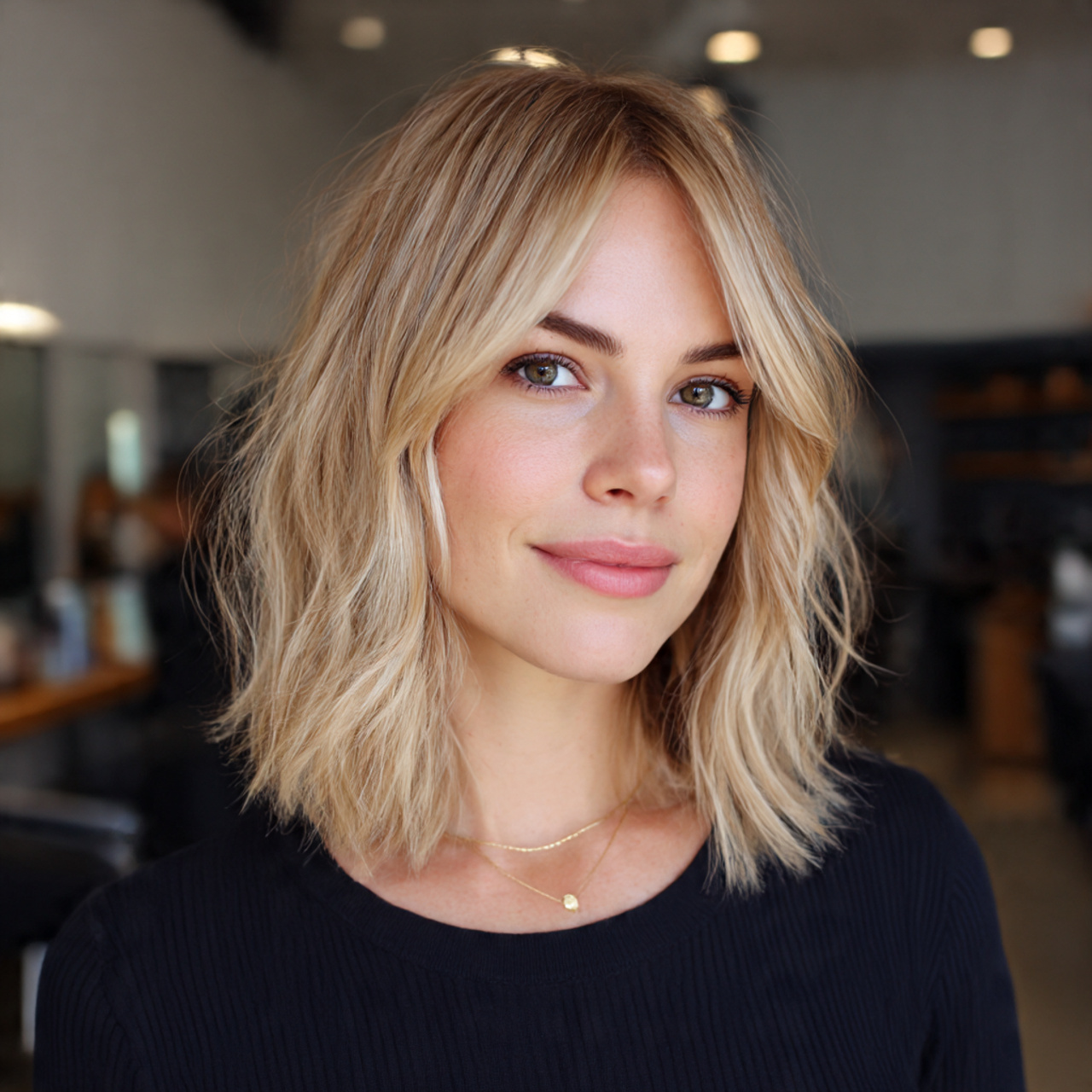
Classic chin-grazing shape

A textbook take: chin length, soft perimeter, and subtle internal layers. The razor removes bulk so the bob sits close to the face and swings. It’s ideal for straight to slightly wavy hair that needs movement without stacking layers. Use a lightweight cream on damp hair, rough-dry, and pinch the ends for separation. This version of the razor cut bob grows out clean, keeping shape for 8–10 weeks.
Airy neck-skimming bob
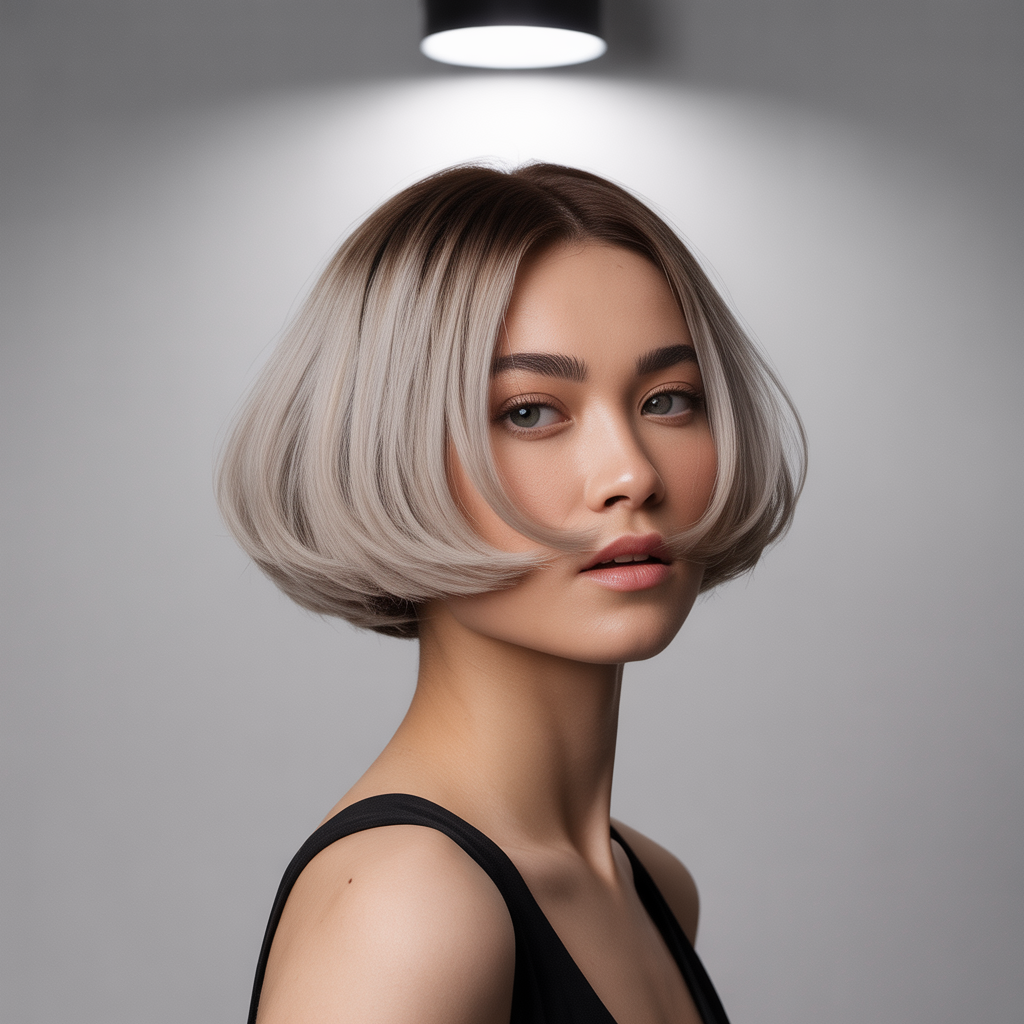
Slightly longer than chin length, this lands at the top of the neck with feathered edges. The goal is flow, not volume. A few face-frame slices lighten the front so it tucks behind the ear easily. Air-dry with a sea-salt spray for broken texture, or blow-dry with a paddle brush for a smooth bend. The cut keeps a crisp line but never looks stiff.
Micro fringe accent

Pair your bob with a short, micro fringe to sharpen cheekbones. Razoring prevents the fringe from forming a solid block; it should look piece-y and breathable. Keep the rest of the haircut simple—minimal layers, soft baseline. Style the fringe with a dab of matte paste and press downward. This brings edge to a classic silhouette without high maintenance.
Curtain bang balance

Curtain bangs split the forehead and flow into cheekbone-length layers. On a razor cut bob, they frame the face while keeping the crown light. Ask your stylist to taper the ends so the bangs blend seamlessly when you part in the middle. Dry the bangs first with a round brush; let the rest air-dry. The shape flatters round and heart faces by elongating the center line.
Invisible stacked back
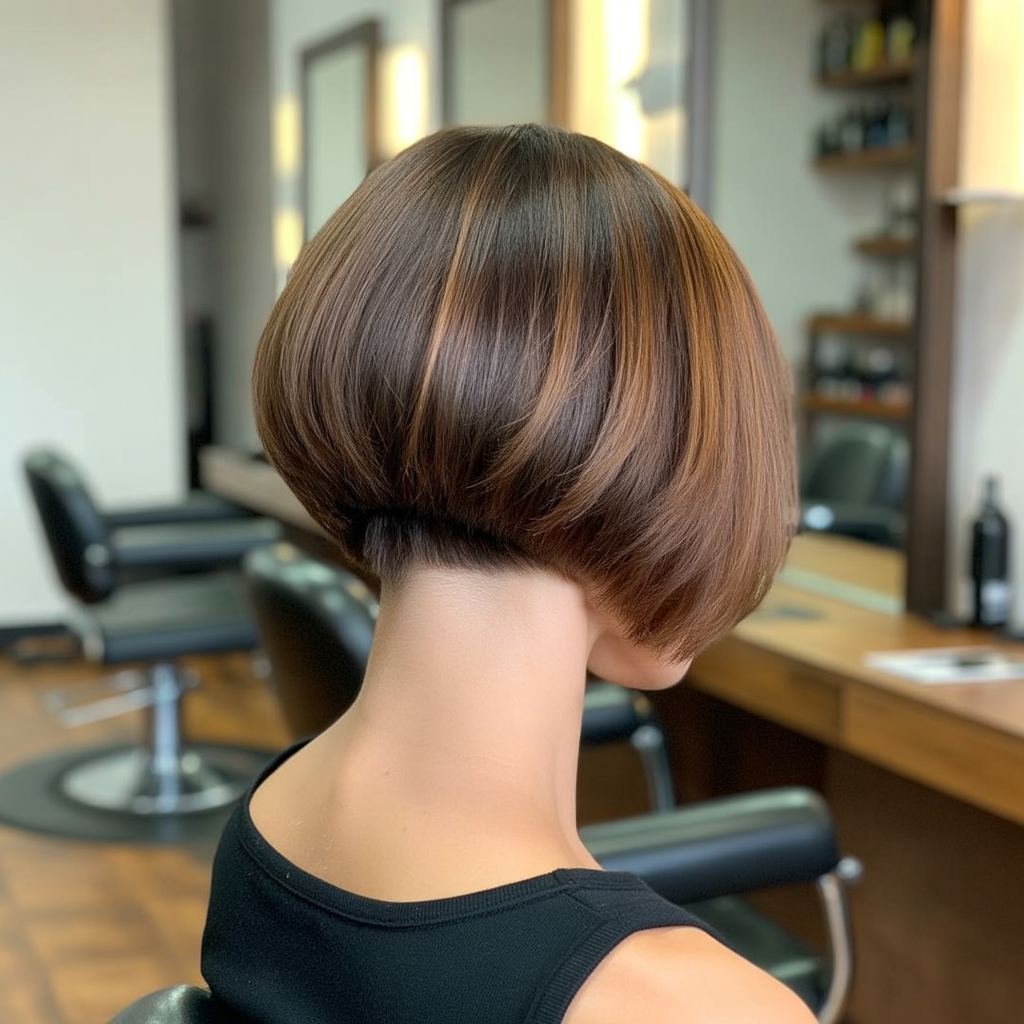
If your hair is dense, a subtle stack at the back removes weight while preserving a neat outline. The razor creates internal space so the nape sits flat and the top glides over it. You’ll get a graceful curve without the shelf you see in heavy, blunt bobs. Finish with a smoothing balm and a quick flat-iron pass at the underlayers only.
Wavy lived-in texture

For naturally wavy hair, keep the perimeter slightly longer and lean into lived-in texture. The razor adds diffused ends that encourage a loose S-pattern. Scrunch in a foam mousse and diffuse on low. Don’t chase perfect curls; embrace bend and separation. The result is an easy, beachy razor cut bob that never reads messy—just relaxed.
Glossy sleek finish
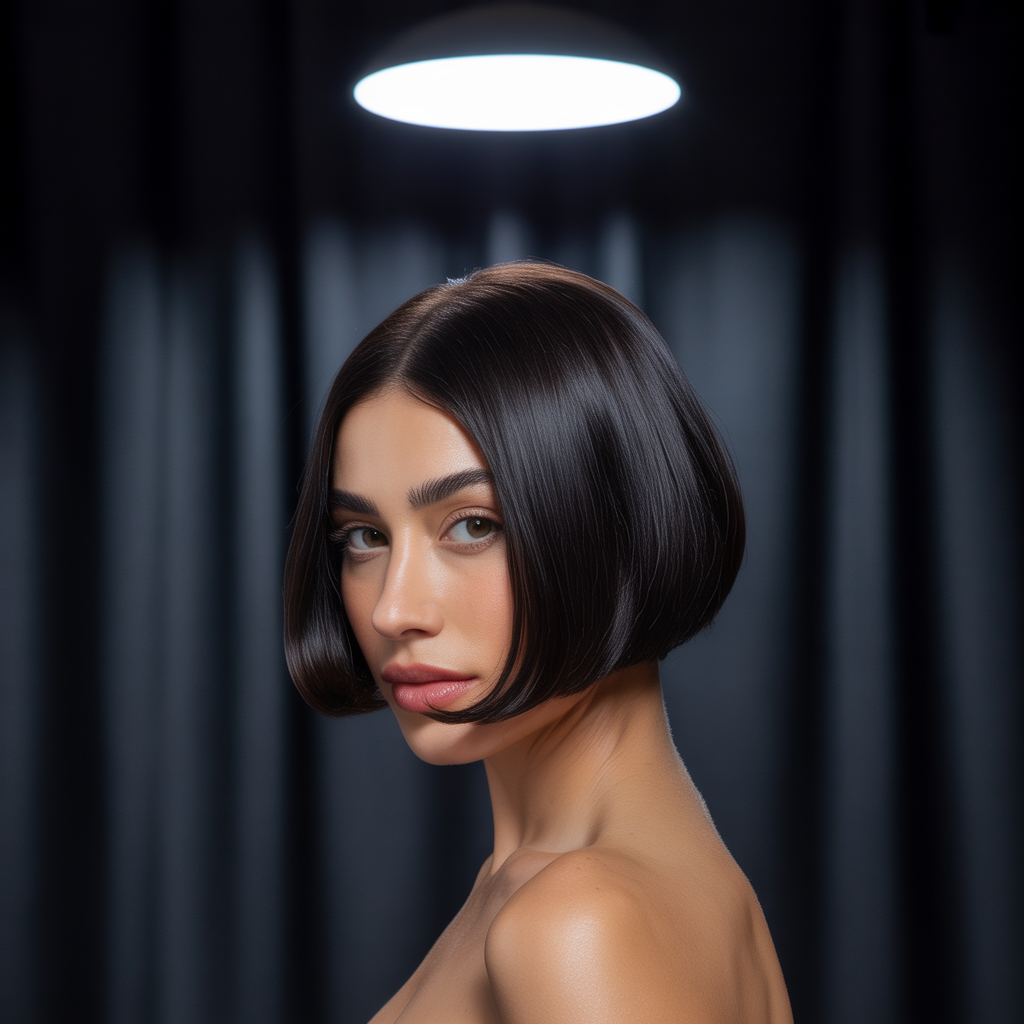
Prefer polish? You can still go sleek. The trick is controlled tapering at the ends so the line stays sharp but lightweight. Blow-dry with tension, directing hair down the shaft to seal the cuticle. A pass with a flat iron at low heat refines the edge. A pea-size serum keeps shine without collapse. Sleek doesn’t have to mean heavy.
French girl softness

Think soft jawline length, wispy ends, and an unfussy middle part. The razor delicately frays the perimeter so hair falls with natural ease. Skip heavy styling products; use a milky leave-in and let it air-dry. Tuck one side for asymmetry. This is the razor cut bob at its most effortless—understated, wearable, and very current.
Side-swept lift

A deep side part plus a slight bevel at the ends gives quiet drama. The razor removes just enough bulk near the part to help hair lift without teasing. Blow-dry against the grain at the root, then flip to your chosen side. Finish with a light workable spray so the movement holds but still brushes out. Good for fine hair that needs a push.
Razor-edged lob
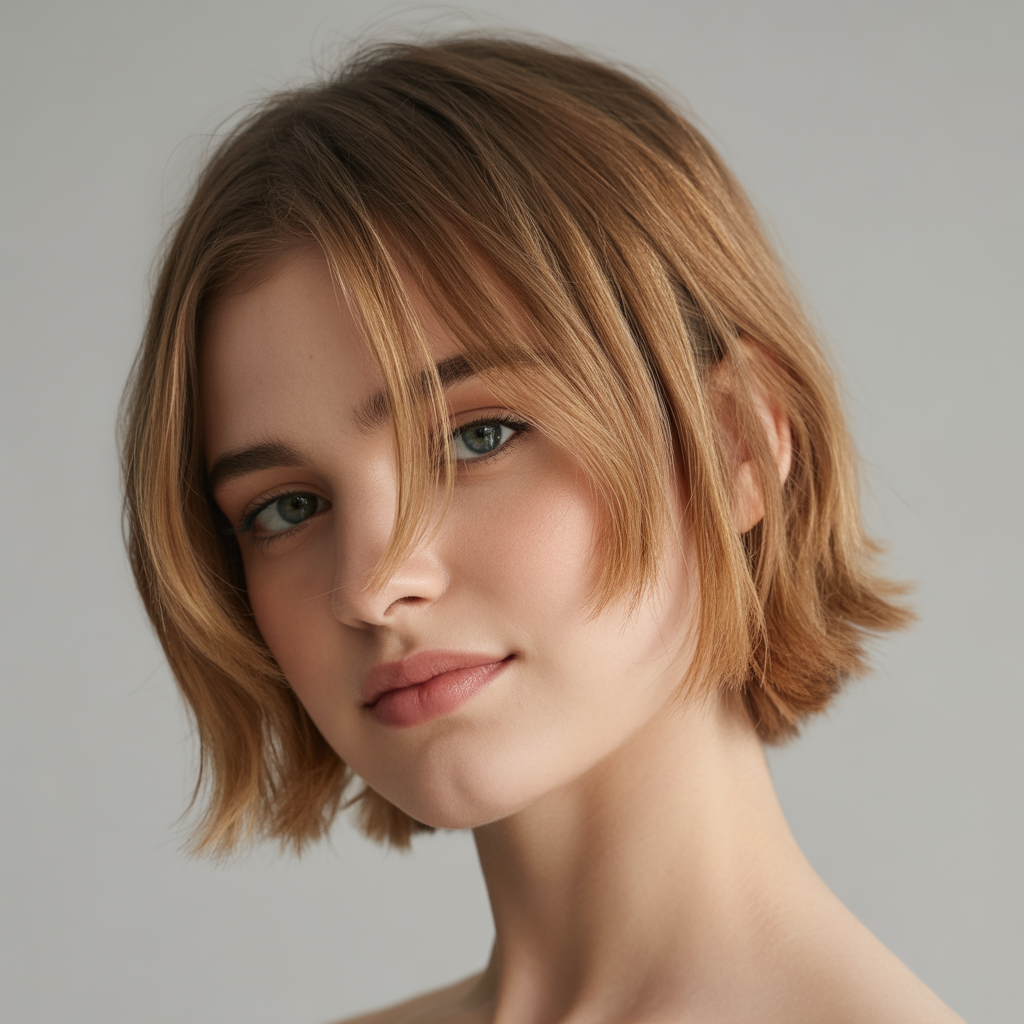
If you’re bob-curious but want safety length, go lob: collarbone-skimming with tapered ends. The extra length elongates the neck and softens shoulders. Ask for internal debulking if your hair is thick, or gentler tapering if fine. Wrap sections around a large curling iron for a loose bend, then rake out. The lob keeps the spirit of a razor cut bob with added versatility.
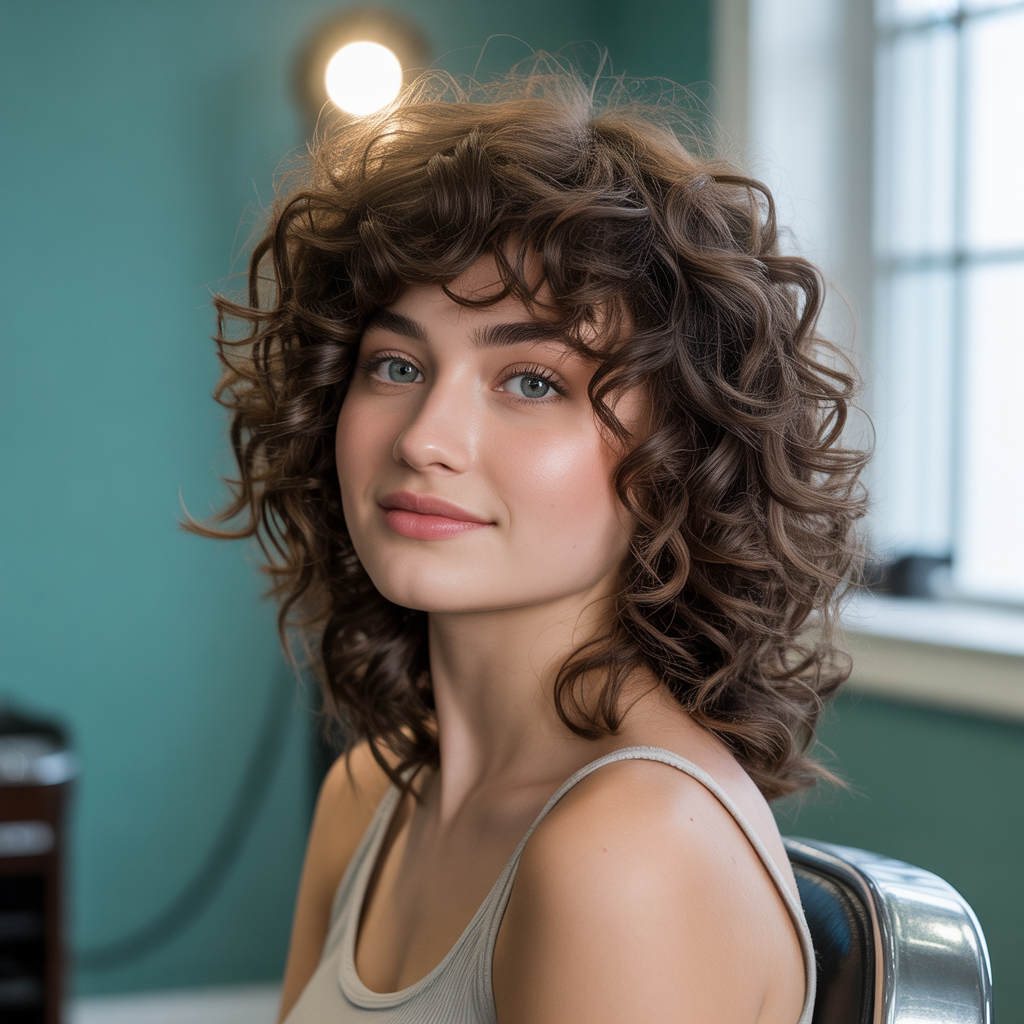
Curly coil adaptation

Curls love razors when used with intent. The key is light touch: carve weight out, never shred curl clumps. Keep the perimeter strong enough to anchor shrinkage and cut curls where they live. Apply a curl cream and gel combo, then diffuse on cool. You’ll see lighter shape, defined coils, and a perimeter that doesn’t puff. Maintenance sits at 10–12 weeks.
Fine hair volume plan
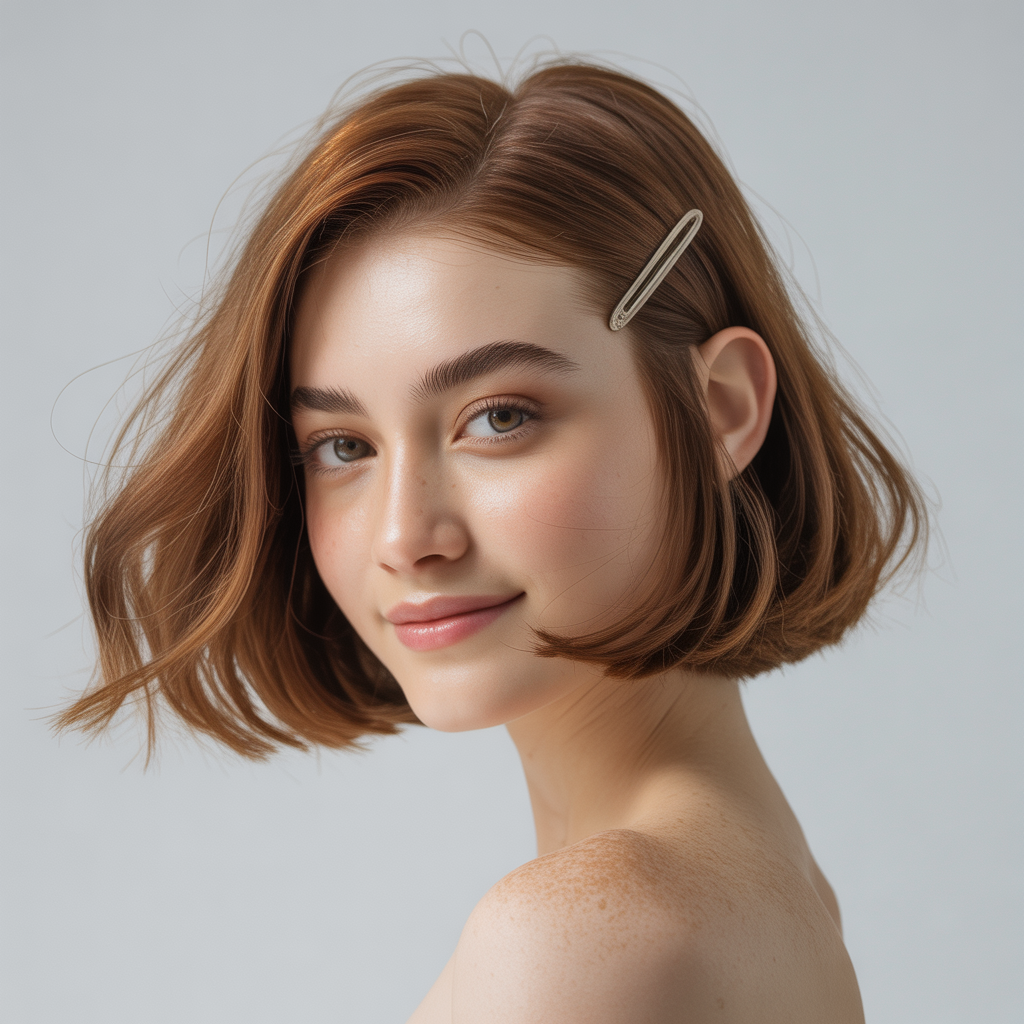
Fine hair benefits from micro layers and a tapered baseline. The razor adds sprayable fullness without frizz by thinning strategic spots at mid-lengths. Blow-dry upside down for root lift, then smooth the surface. Use lightweight foam instead of heavy creams. This approach makes a razor cut bob look denser while keeping the ends airy.
Thick hair weight release

For dense hair, the razor is a pressure valve. Internal slicing removes bulk so hair collapses closer to the head, killing the triangle effect. Keep the length around the jaw or slightly longer and avoid blunt edges. Use a leave-in for slip and finish with cream to tame surface frizz. The result is swing without helmet volume.
Jawline contour focus
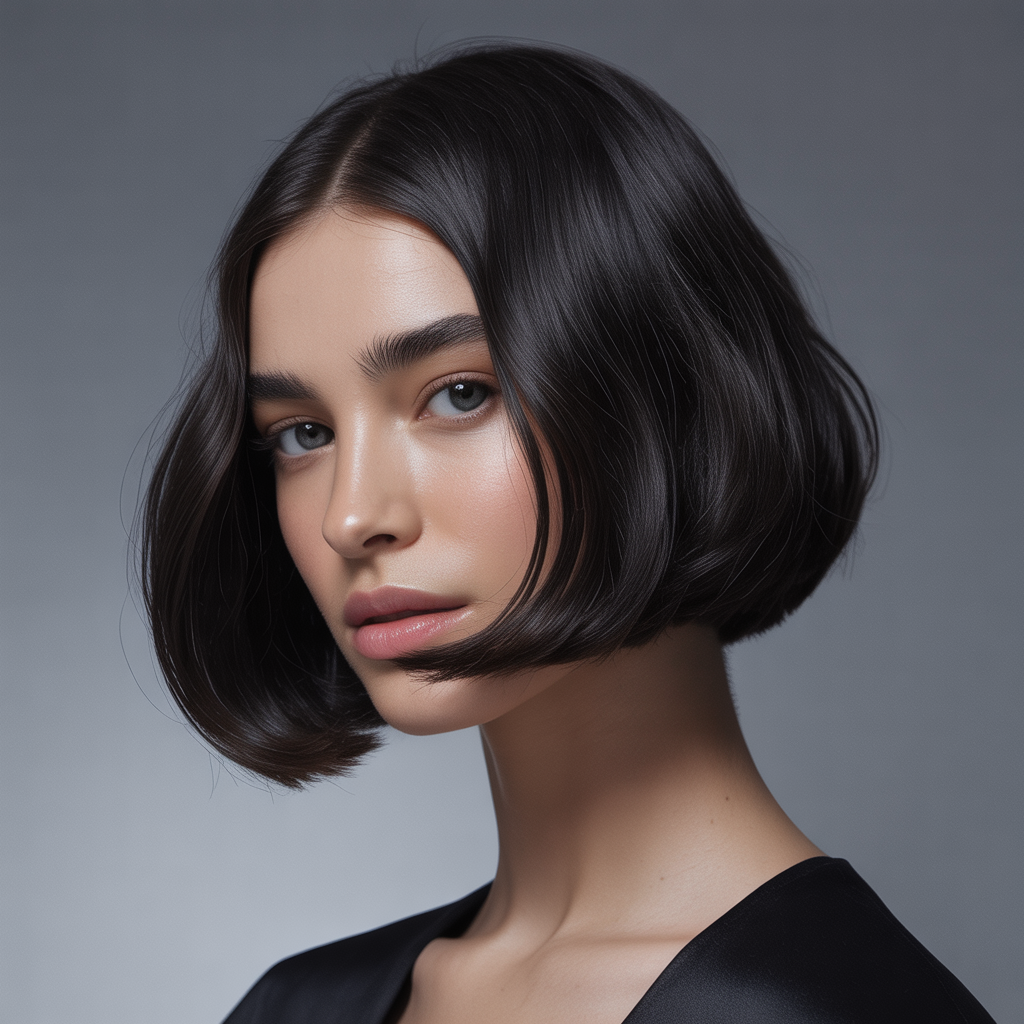
A jaw-grazing shape can contour the face like makeup. Ask for a soft-angled perimeter that mirrors your jaw and lightly fractured ends for movement. Keep layers minimal so the outline stays graphic. A touch of shine serum on the front panels draws the eye to your best angles. It’s subtle, precise, and suits straight to wavy textures.
Shag-leaning hybrid
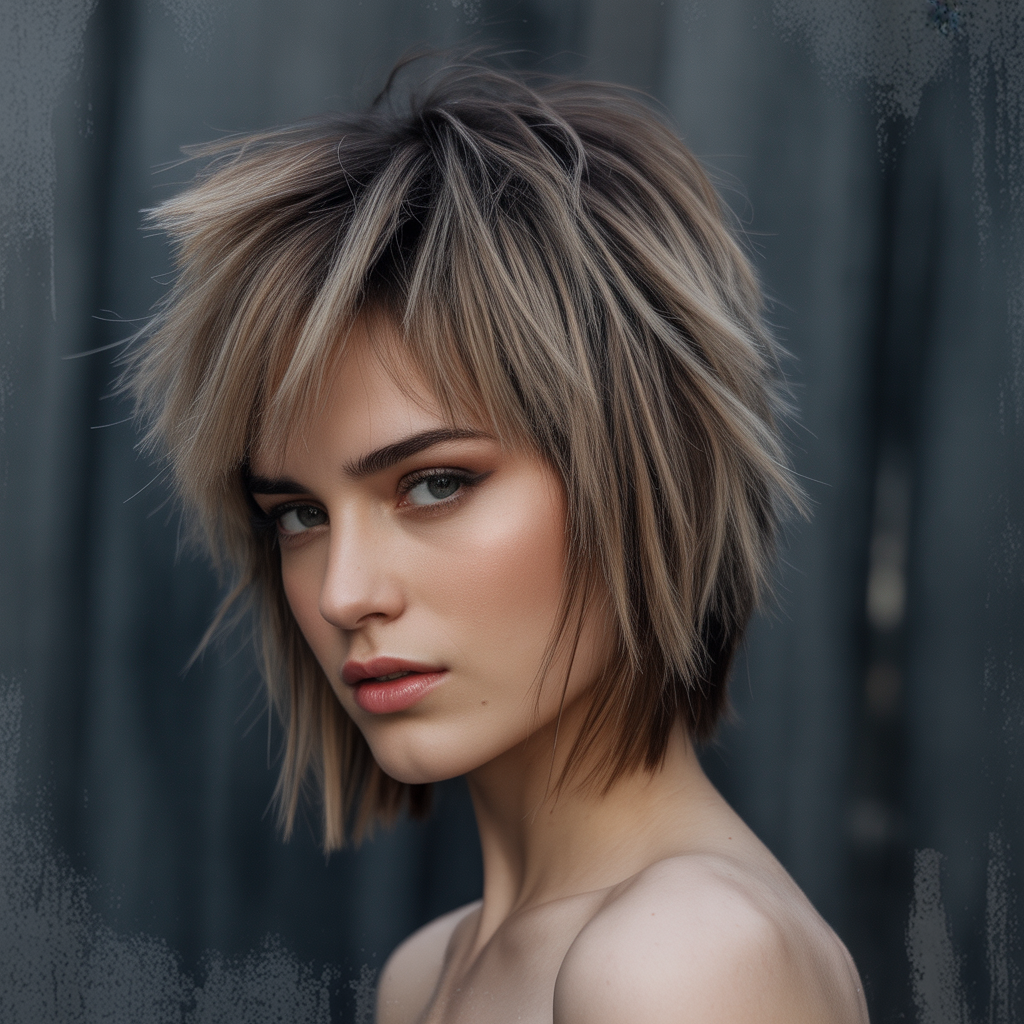
Blend bob length with shag energy: short crown layers, elongated sides, and a feathery perimeter. Use the razor to connect layers so nothing feels choppy. Air-dry with sea-salt spray or twist a few pieces for definition. This hybrid keeps the compact impact of a bob but adds rock-and-roll texture. It’s a razor cut bob for people who hate trying too hard.
Off-center part simplicity

Shifting the part slightly off center changes everything—more softness, less symmetry. The razor’s taper lets the heavier side drape without bulk. Dry the hair mostly in place and pinch the ends with a light paste. It reads intentional, not fussy, and works for most face shapes. Small change, big payoff.
Minimalist blunt illusion

Like a blunt look but hate the heaviness? Ask for a “blunt illusion”: perimeter appears straight while the last few millimeters are tapered by razor. You keep the crisp line with better swing and easier styling. Blow-dry flat, then clamp the ends for a tiny bend. It’s the cleanest version of a razor cut bob—elegant without the brick weight.
Tucked-behind-the-ear cut

If you’re a chronic tucker, get the cut to match. The razor removes bulk at the front panel’s lower half so hair slips behind the ear without popping out. Keep the opposite side slightly longer for balance. Use a light hold cream so the tuck stays put and the rest moves. Practical and polished, especially for glasses wearers.
Fringe-free open face

Skip bangs entirely and let the face breathe. A center part with softly tapered front pieces opens the features and elongates. The razor activates movement so it never looks severe. Dry with a paddle brush for smoothness, then add dry shampoo at the roots for lift on day two. This is a versatile, low-commitment razor cut bob for busy routines.
High-shine evening mode
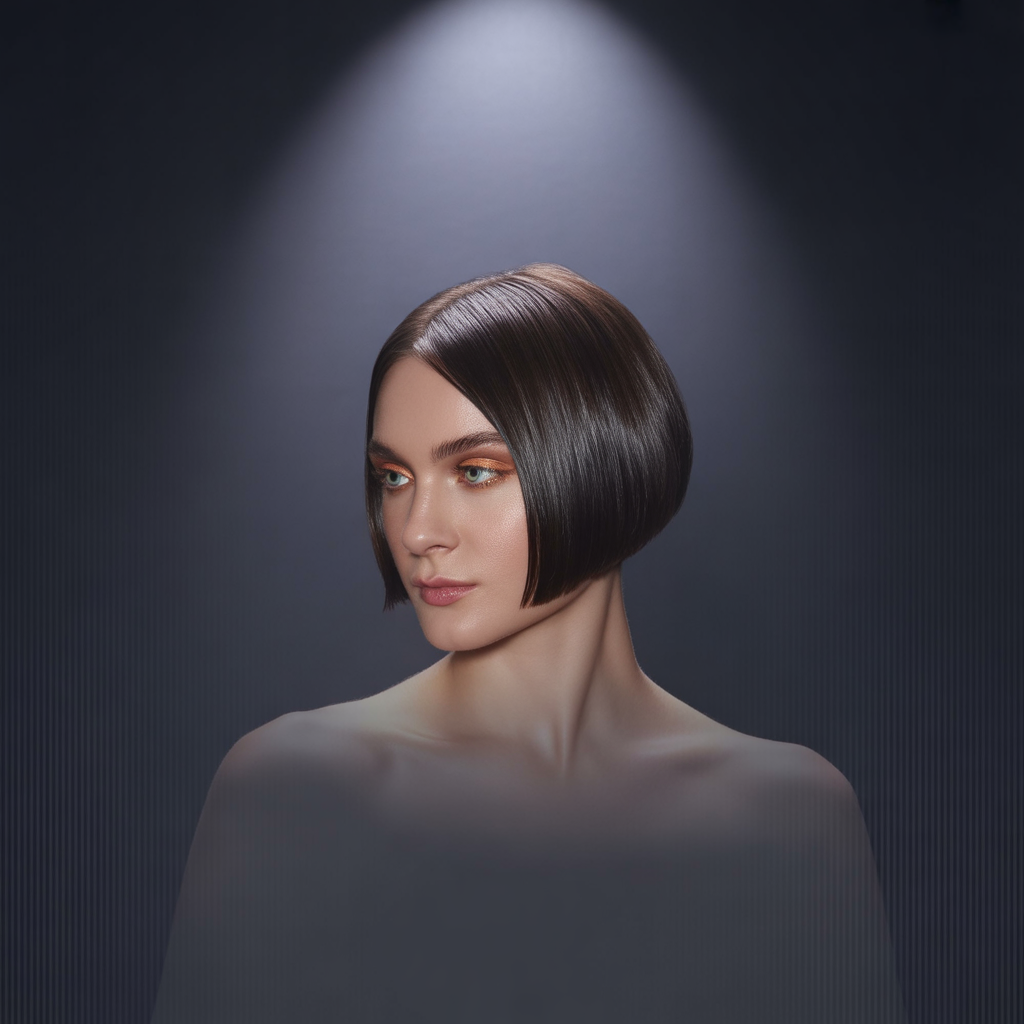
Take your daytime cut into evening: deep part, tucked side, and glassy finish. Because the ends are tapered, shine products can coat without creating a block. Use a heat protectant, run a flat iron through swiftly, then mist a gloss spray. You get mirror shine and a clean outline, still light, still mobile. Form meets function.
Visit Also: Short Shag With Bangs
Consultation tips with your stylist
Bring two to three photos that share the same perimeter length. Use clear language: “I want a soft, tapered edge with internal debulking” or “blunt illusion with light ends.” Be honest about styling time. If you give it five minutes, say so. A tight consult ensures the razor work supports your routine, not the other way around.
FAQs
How is a razor cut bob different from a scissor-cut bob?
A razor slices and tapers the ends, removing weight and creating a diffused edge. Scissors can blunt or point-cut, but they don’t mimic the same continuous softness. The razor finish adds swing and easier grow-out, while scissor bobs can look denser and require more polishing.
Will a razor cut damage my hair?
Used correctly on healthy hair, no. The risk comes from dull blades or aggressive technique. A skilled stylist uses a sharp razor, light pressure, and cuts on damp hair to protect the cuticle. If your hair is very fragile or over-processed, your stylist may mix methods or switch to scissors in sensitive areas.
Does the razor cut bob work on curls?
Yes, with nuance. The stylist should cut curls in their natural pattern, remove weight without shredding curl clumps, and maintain enough perimeter to manage shrinkage. Proper product layering—cream plus gel—locks definition. The result is lighter shape and better bounce.
How often do I need trims to keep the shape?
Most people do well at 8–12 weeks. Fine hair may prefer the shorter end to preserve structure; thick hair can stretch longer thanks to debulking. Because the ends are tapered, the cut softens rather than collapsing, so you have a wider maintenance window than a blunt bob.
What products keep it looking good without much effort?
Think light and flexible: a heat protectant, a volumizing foam for fine hair or a curl cream for waves and curls, plus a brushable hairspray. For finish, use a small amount of serum or paste on the ends. The razor cut bob is built to move, so avoid heavy oils that can swamp the texture.
Conclusion
The razor cut bob is simple: remove weight where it slows the hair down, taper the edge so it moves, and keep the outline clean. Whether you pick a chin-grazing classic, a lived-in wavy version, or a sleek blunt illusion, the result is the same—lightness and swing with minimal effort. Bring clear goals to your consult, keep products minimal, and trim on a schedule that matches your density. Done right, this cut works as hard as you do and never looks overstyled.