15 Trending Fine Hair Styling & Care Guide: Tricks for Healthy, Full Strands
Fine Hair can be challenging to style, manage, and maintain. Its delicate texture often makes it prone to breakage, limpness, and lack of volume. However, with the right strategies, products, and techniques, fine hair can look full, healthy, and effortlessly stylish. In this guide, we will explore 15 practical ideas to help you care for and enhance your strands naturally, along with expert tips to avoid common pitfalls.
Understanding the Nature of Fine Hair

This type of hair is defined by the diameter of each strand being smaller than average. People with this texture often struggle with volume and styling, as strands can appear flat or limp. It is crucial to distinguish it from thin hair, which refers to density rather than strand thickness. Understanding this difference helps in choosing the right care routines, shampoos, and styling products designed for lightweight strands.
Choosing the Right Shampoo and Conditioner
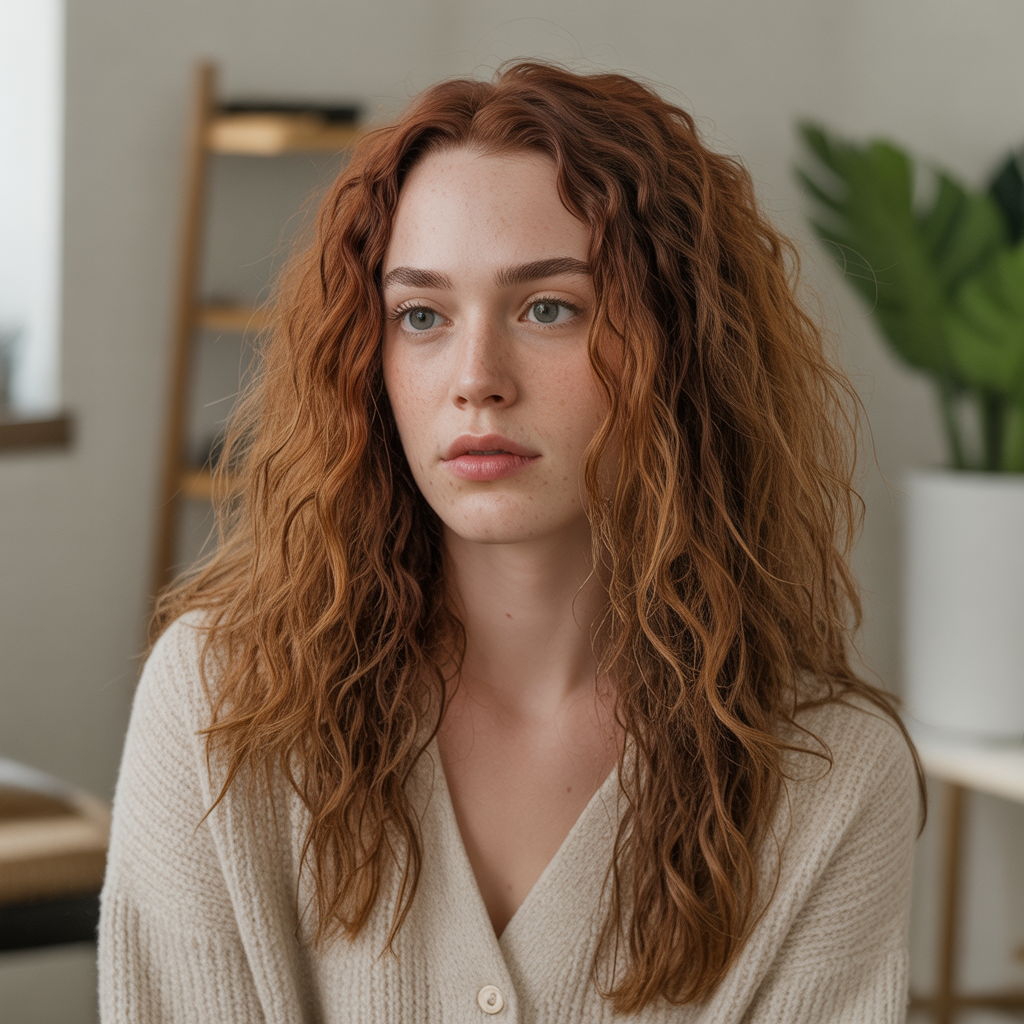
Hair that is finer than average requires lightweight, volumizing shampoos and conditioners that do not weigh it down. Avoid heavy moisturizing formulas that can make strands appear greasy. Products enriched with proteins or biotin can strengthen hair without sacrificing bounce. Using the correct combination of shampoo and conditioner ensures that your locks remain soft, shiny, and manageable without losing natural volume.
Regular Trims for Healthy Hair
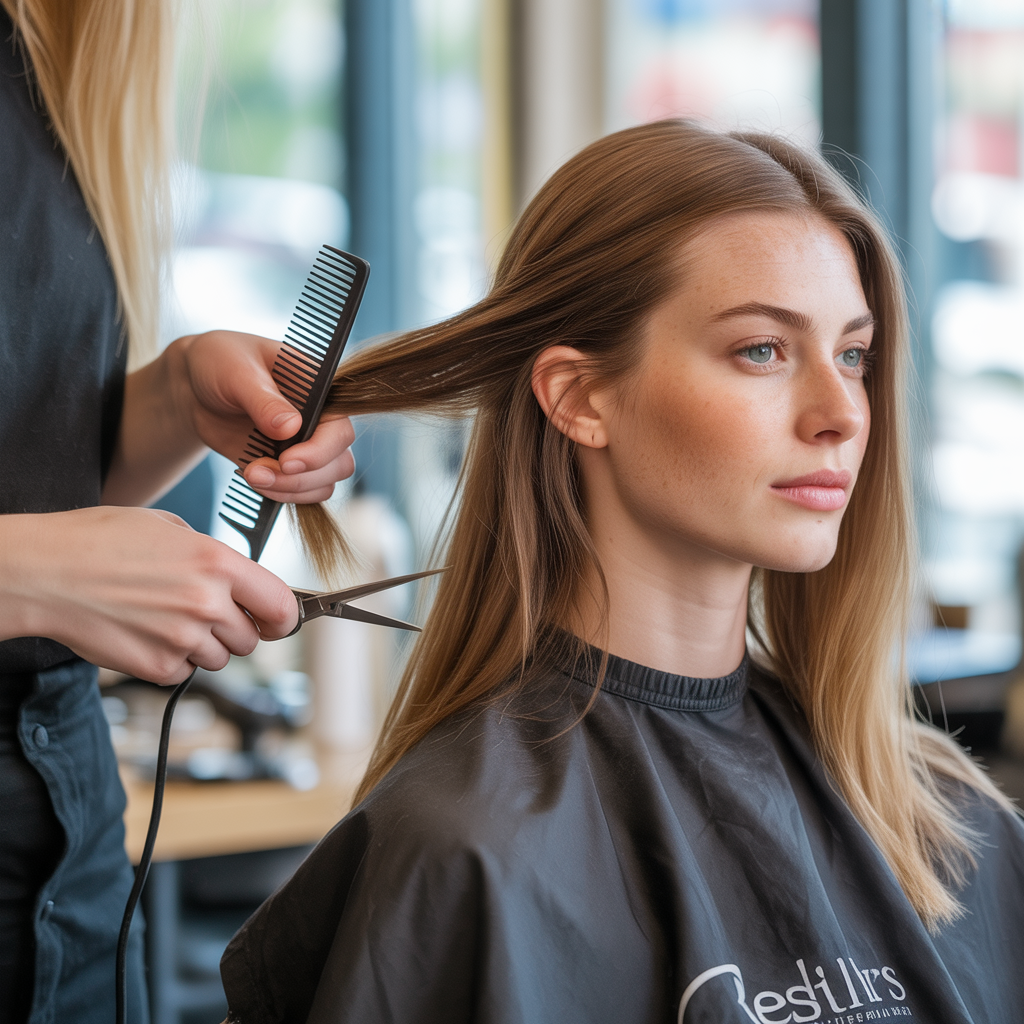
Regular trims are essential because split ends can travel up the strand, making it appear thinner and more fragile. Trimming every 6-8 weeks prevents breakage and maintains a fuller look. Even if you are growing your hair, a minor trim can significantly improve the texture and appearance, giving it a healthier and more polished finish.
Layered Hairstyles to Add Dimension
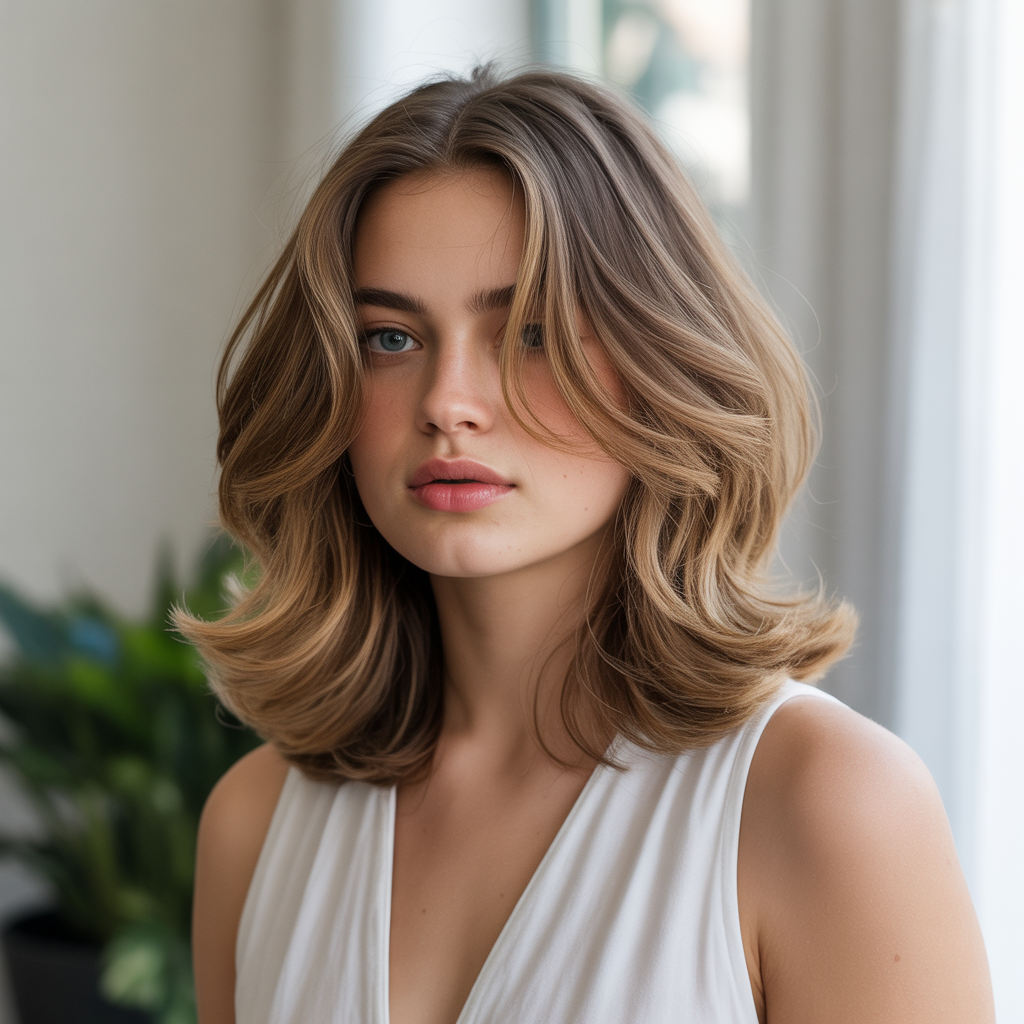
Layered cuts work exceptionally well for soft-textured hair. Layers create the illusion of volume by adding movement and dimension to limp strands. Soft, feathered layers can lift hair at the roots while maintaining length and style. Consultation with a professional stylist is recommended to determine the best layering technique suitable for your face shape and hair type.
Root-Lifting Techniques
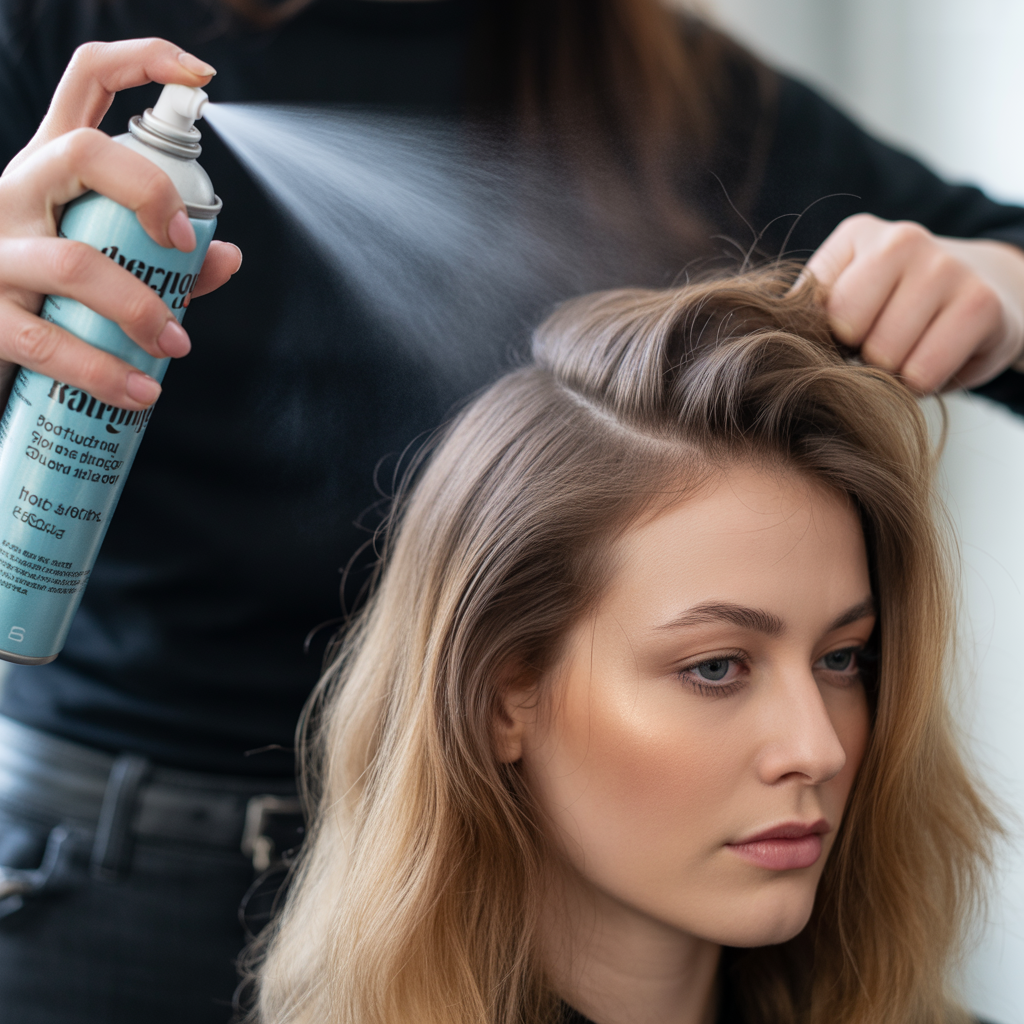
This type of hair often struggles with flat roots. Root-lifting sprays, mousses, and volumizing powders are effective tools to boost height at the scalp. Applying these products to damp hair before blow-drying can create long-lasting lift. Additionally, techniques such as blow-drying hair upside down or using round brushes can provide extra bounce without damaging delicate strands.
Heat Styling with Care
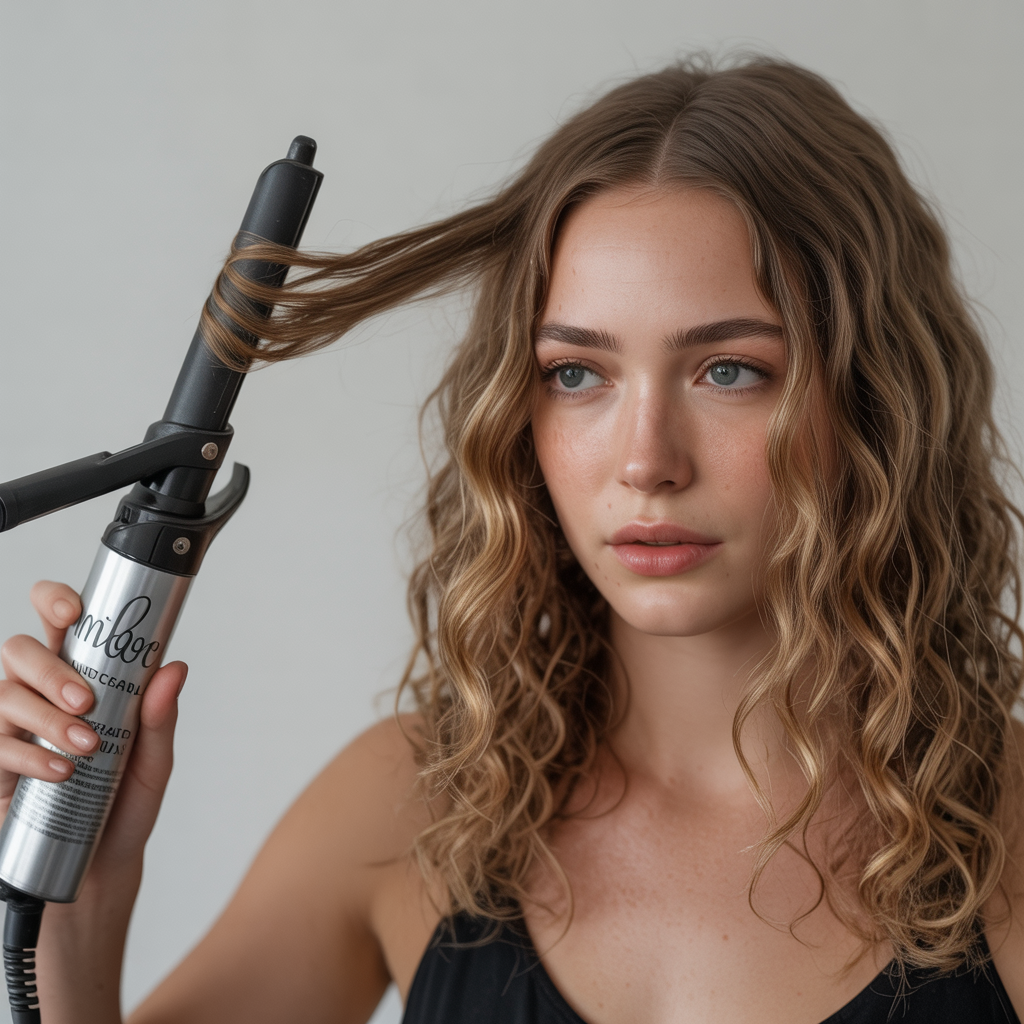
Heat styling tools, such as flat irons and curling wands, can add texture and movement. However, excessive heat can cause breakage. Always use a heat protectant spray and keep the temperature moderate. Low-heat styling not only enhances the hair’s appearance but also prevents weakening fragile strands, keeping them strong and resilient.
Opting for Lightweight Styling Products
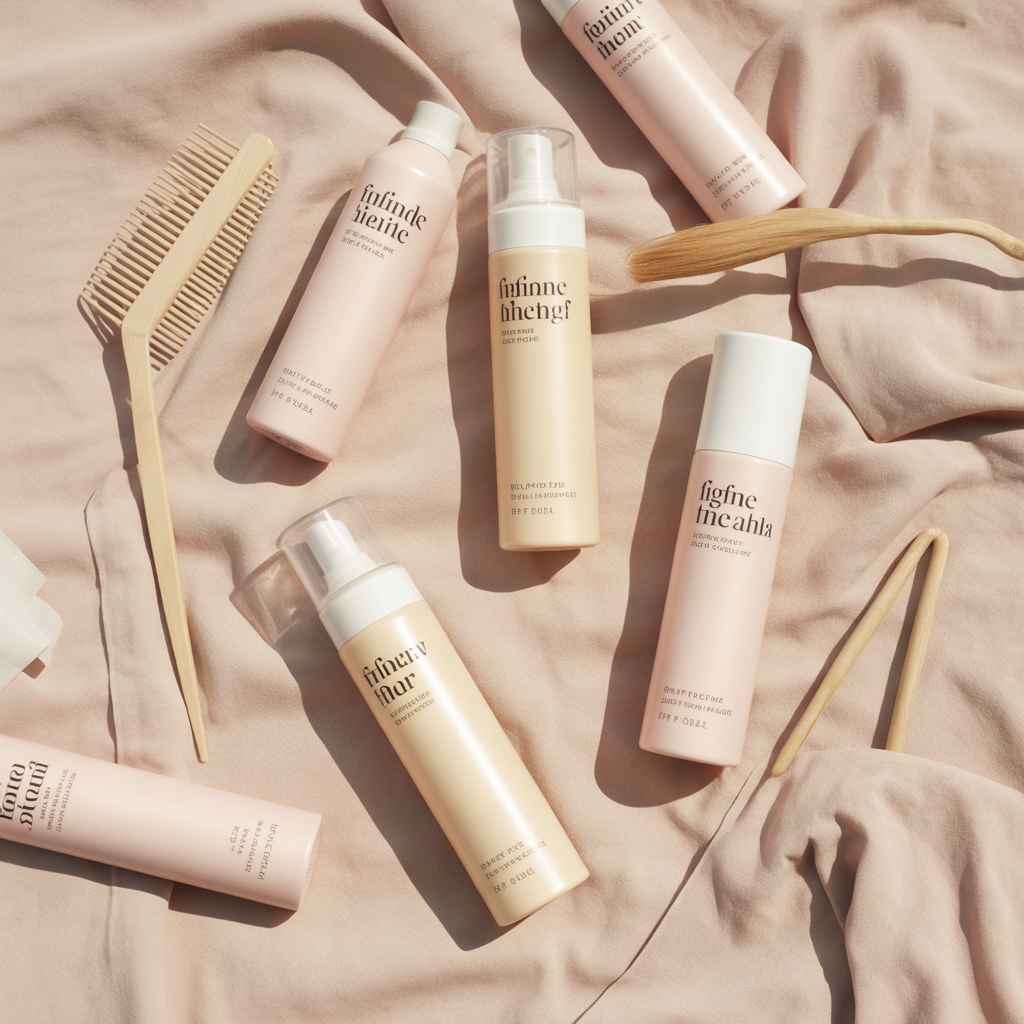
Heavy gels, creams, and oils can weigh fine hair down. Lightweight styling products, including serums, sprays, and foams, are ideal for maintaining natural movement and shine. Look for non-greasy formulations that provide hold, texture, and volume without leaving residue. Properly chosen styling products can make fine hair appear thicker while keeping it soft and manageable.
Avoiding Overwashing
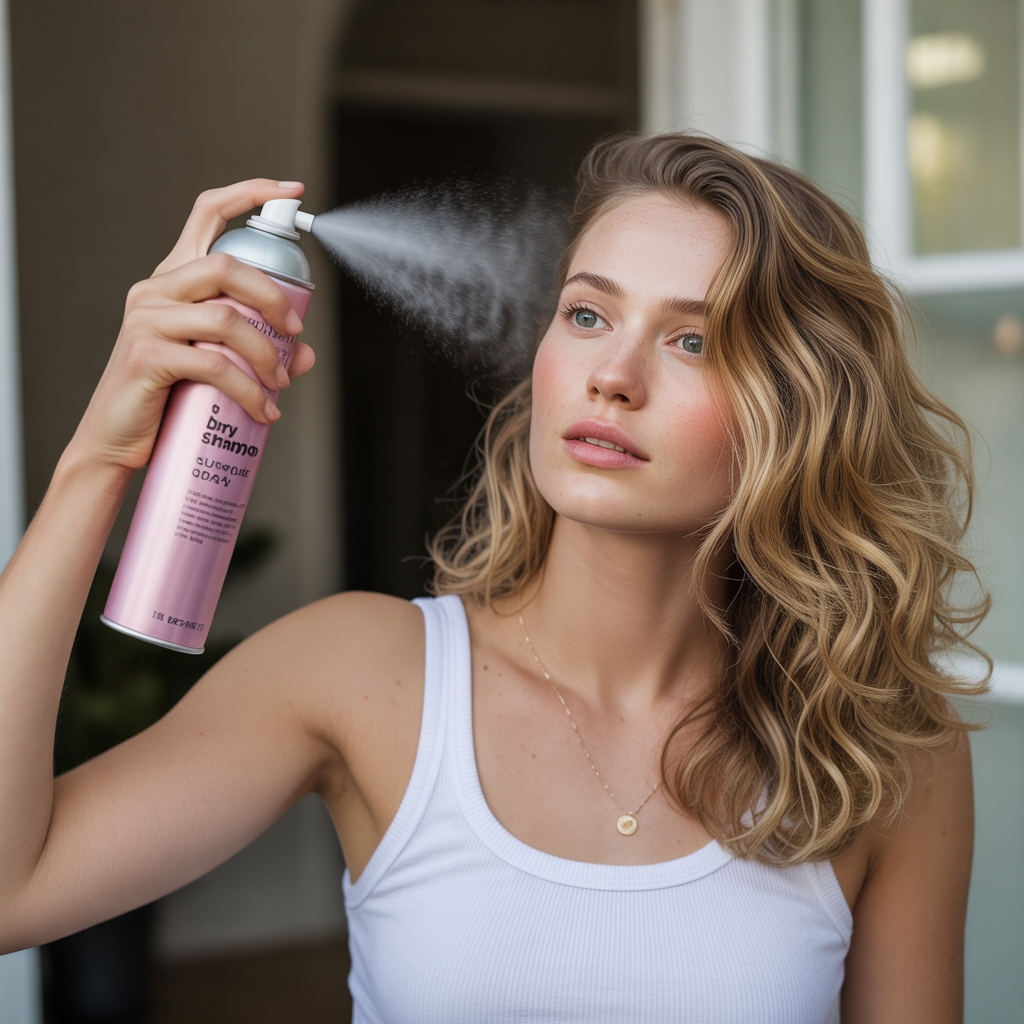
Fine hair tends to get oily quickly, but overwashing can strip it of natural oils, making it weak and brittle. Washing hair 2-3 times a week is typically sufficient. Dry shampoo can be a helpful alternative between washes to refresh the scalp and maintain volume. This approach preserves natural strength while keeping hair clean and vibrant.
Incorporating Protein Treatments
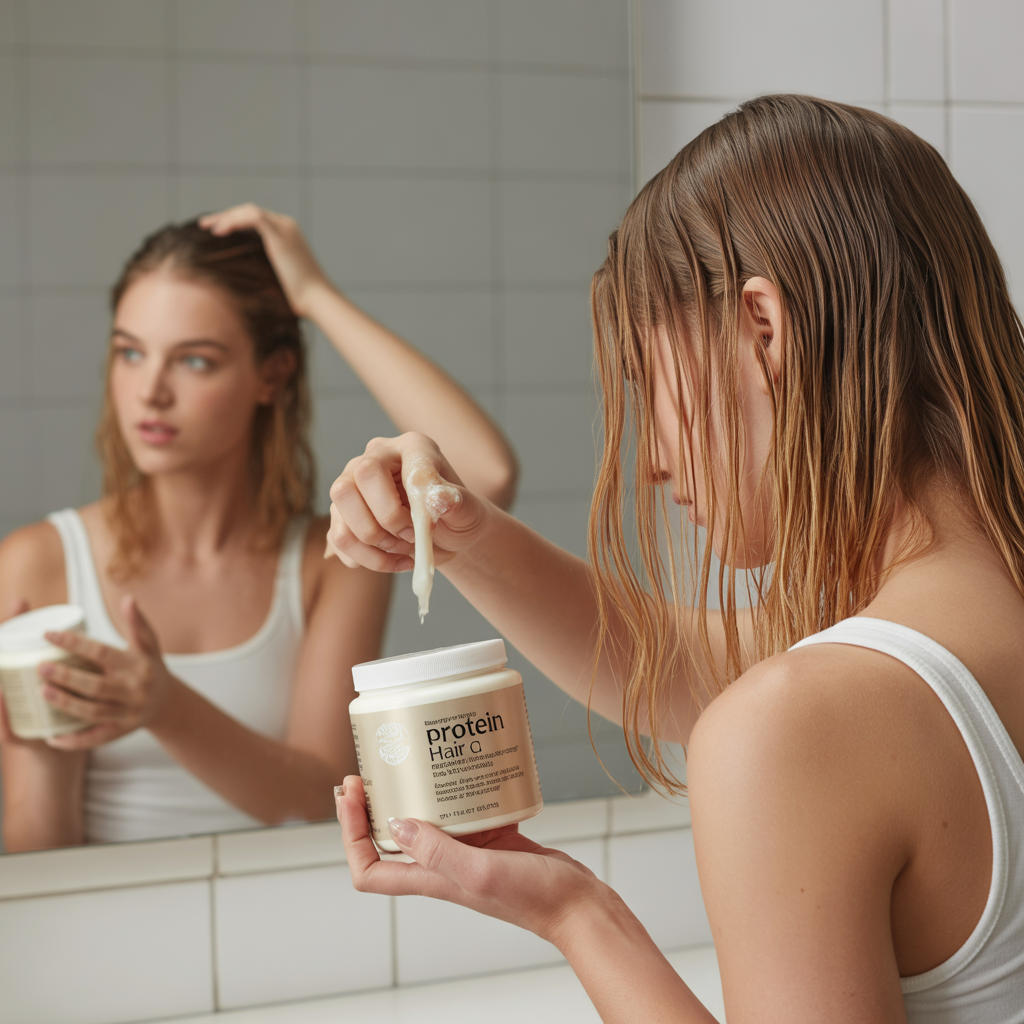
Protein treatments help strengthen fine hair strands, reducing breakage and enhancing elasticity. These treatments are particularly useful for chemically treated or heat-styled hair. Using a protein mask once every 2-4 weeks can rebuild damaged strands and restore resilience. Protein-based products help fine hair maintain its structure, providing a fuller and more robust appearance.
Gentle Detangling Techniques
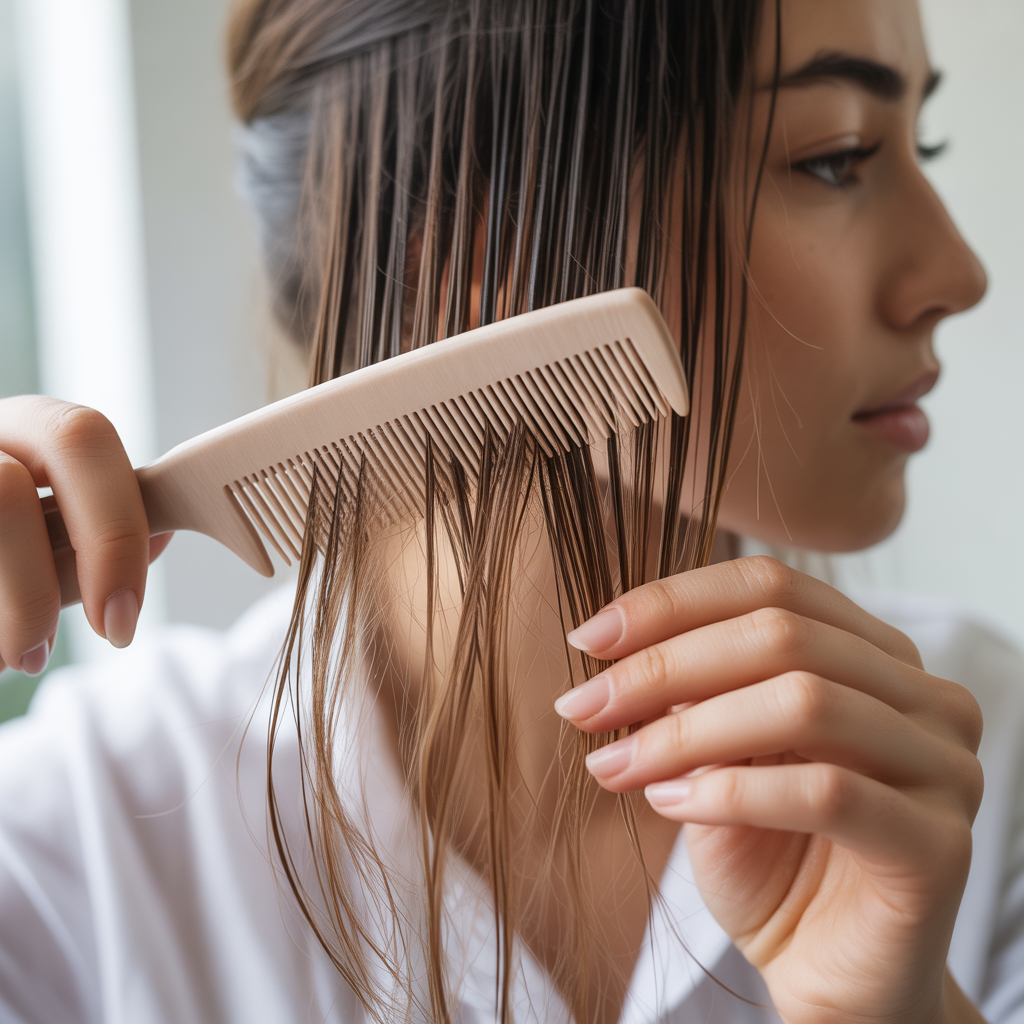
Fine hair is prone to tangling and breakage. Using a wide-tooth comb or a brush designed for delicate hair helps minimize damage. Start detangling from the ends and gradually work your way up to the roots. Avoid rough towel-drying or aggressive brushing, as these practices can cause hair to snap and lose volume. Gentle detangling preserves the hair’s natural strength and shine.
Natural Volume Boosters

Fine hair can benefit from natural volume boosters such as aloe vera, rice water, or herbal rinses. Aloe vera strengthens hair while maintaining moisture balance. Rice water contains amino acids that improve hair elasticity and thickness. Herbal rinses, including rosemary or chamomile, stimulate the scalp and encourage healthy growth. These remedies provide a chemical-free approach to enhancing fine hair’s fullness and vitality.
Protective Hairstyles

Fine hair can be fragile and prone to damage from environmental factors. Protective hairstyles, such as braids, buns, or twists, reduce exposure to friction, wind, and heat. These styles minimize breakage and allow hair to grow without stress. Switching to low-manipulation hairstyles regularly helps maintain the overall health and density of fine hair.
Scalp Care for Stronger Hair
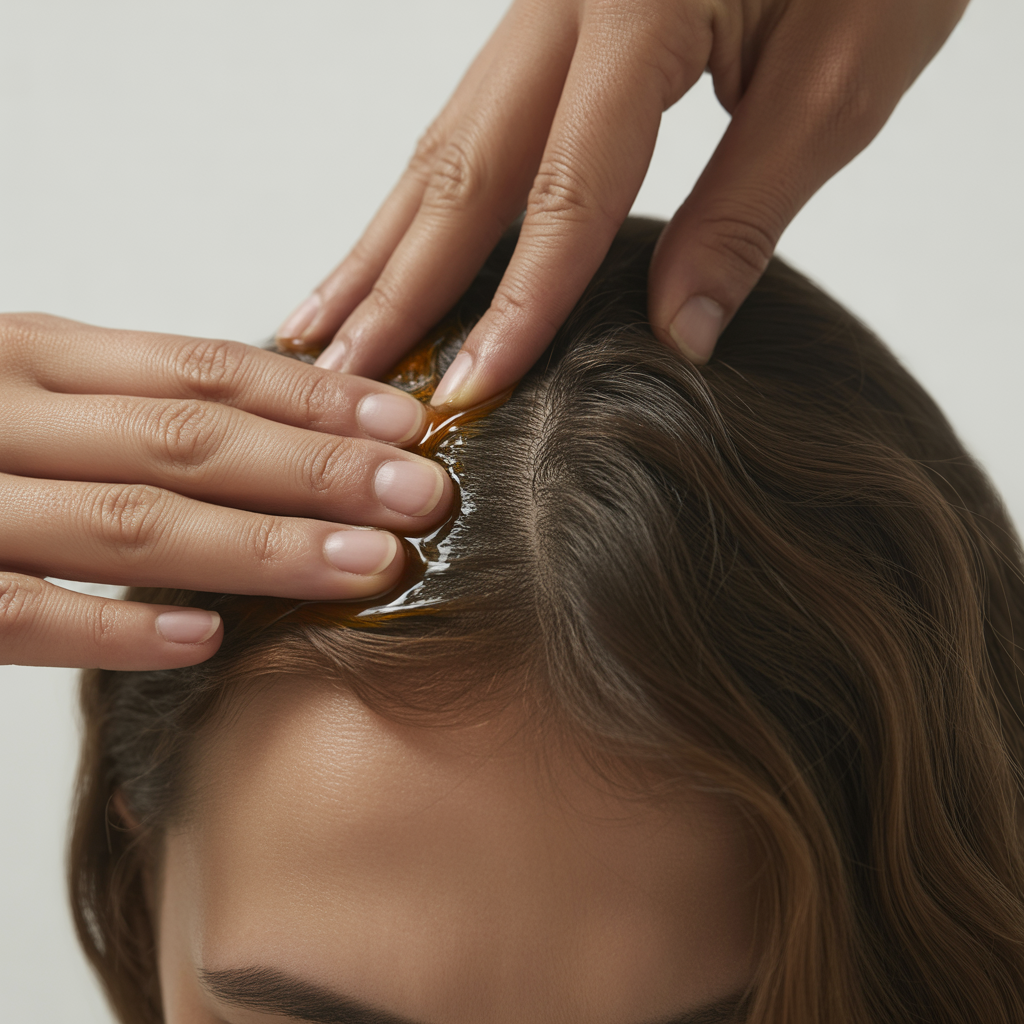
A healthy scalp supports strong, thick hair growth. Exfoliating the scalp with gentle scrubs or massaging with oils stimulates blood circulation, delivering nutrients to hair follicles. Massaging with lightweight oils like argan or jojoba can hydrate the scalp without weighing fine hair down. Regular scalp care promotes stronger strands and encourages natural volume in fine hair.
Choosing the Right Hair Accessories
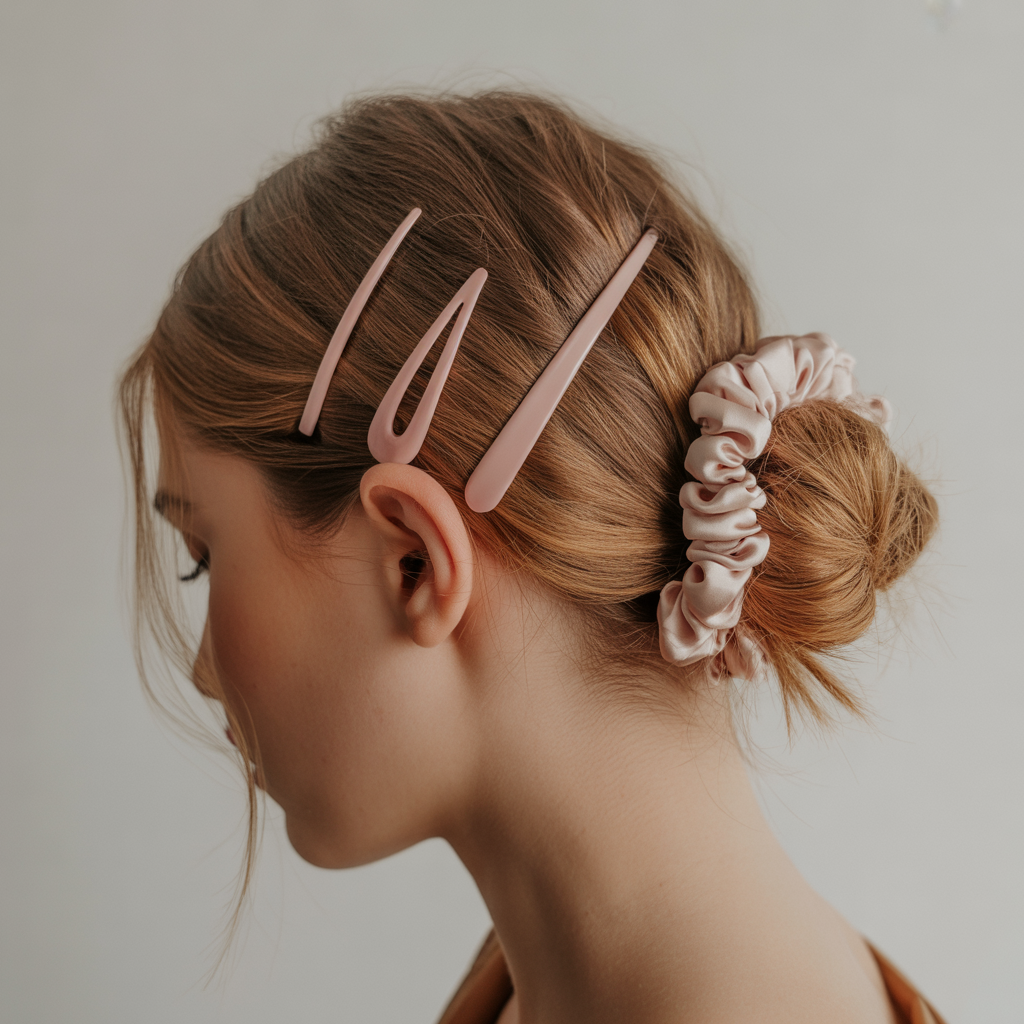
Accessories can enhance the appearance of fine hair without causing damage. Lightweight clips, scrunchies, and headbands prevent breakage compared to elastic bands or tight hairstyles. Avoiding heavy or tight accessories ensures hair remains healthy and maintains its natural movement. Proper accessories can add style and fullness, giving fine hair a more voluminous appearance.
Embracing Haircuts for Face Shape

Selecting the right haircut can dramatically improve the look of fine hair. Short bobs, long layers, and textured cuts can create the illusion of density and volume. Face shape should guide haircut choices to ensure a flattering and balanced appearance. Consulting a stylist experienced with fine hair can optimize results, enhancing both texture and style.
Diet and Nutrition for Fine Hair
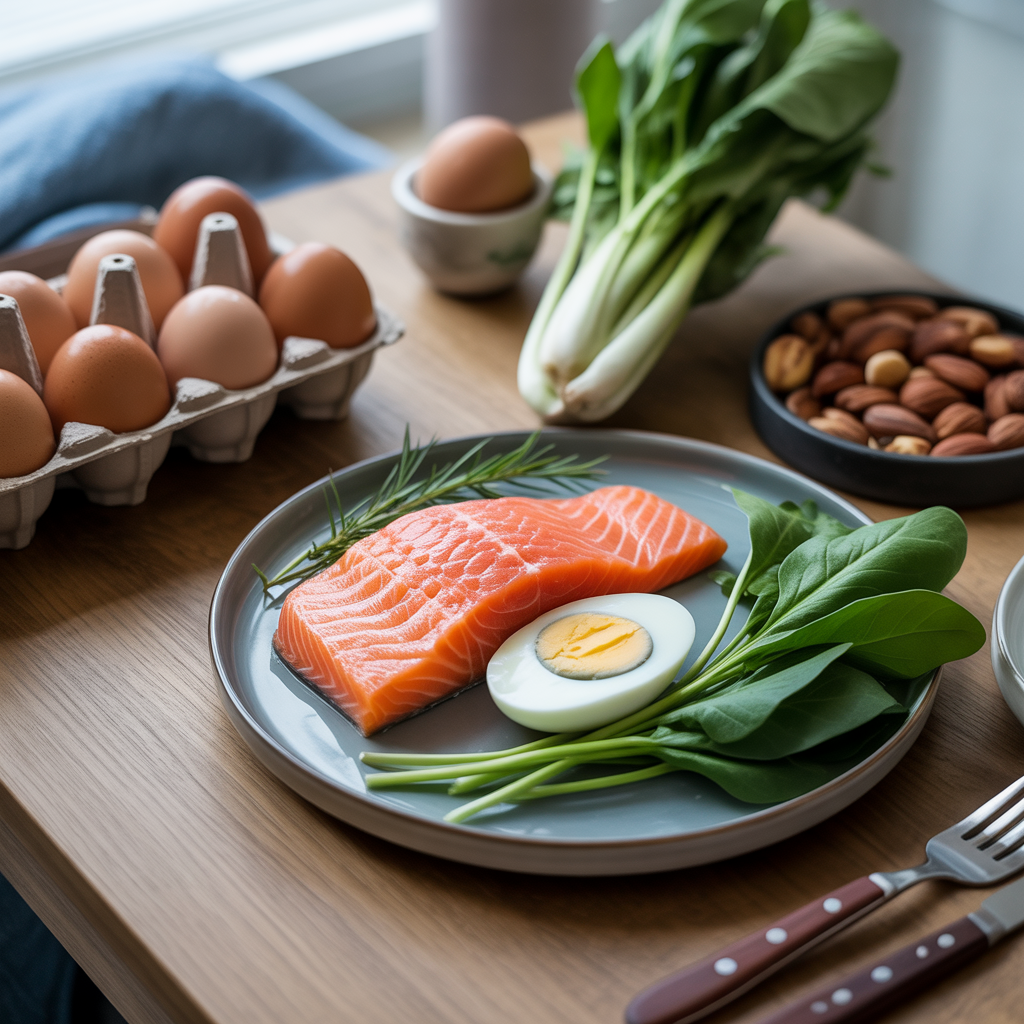
Hair health starts from within. Adequate protein intake, vitamins (B, D, E), iron, and omega-3 fatty acids strengthen fine hair and prevent thinning. Hydration is equally important to maintain shine and elasticity. A balanced diet rich in nutrients contributes to stronger, thicker, and more resilient strands, supporting long-term hair health.
Reality-Based FAQs About Fine Hair
What is the difference between fine and thin hair?
Fine hair refers to the diameter of each strand, while thin hair refers to overall hair density. You can have fine hair that is dense or thin hair that is coarse. Understanding this helps in selecting appropriate hair care and styling products.
Can fine hair grow long without breaking?
Yes, fine hair can grow long if it is handled gently and maintained with proper trims, protein treatments, and minimal heat styling. Protective hairstyles also reduce breakage.
Which hairstyles suit fine hair best?
Layered cuts, textured bobs, and shoulder-length styles often work best. Styles that create movement and lift at the roots add volume and make fine hair appear thicker.
Are volumizing products effective for fine hair?
Yes, lightweight volumizing sprays, mousses, and root-lifting powders are effective if applied correctly. Overuse of heavy products can weigh hair down and make it look flatter.
Does diet impact fine hair health?
Absolutely. Nutrient-rich diets containing protein, vitamins, and omega-3 fatty acids strengthen hair and improve resilience. Hydration is also crucial for maintaining shine and elasticity.
Conclusion
Fine hair may present challenges, but with informed care and styling techniques, it can look voluminous, healthy, and stylish. From selecting the right shampoo and conditioner to embracing gentle detangling, protein treatments, and protective hairstyles, each step contributes to stronger, more manageable strands. Maintaining a balanced diet, proper scalp care, and carefully chosen haircuts further enhances natural beauty. By incorporating these 15 ideas into your hair care routine, fine hair can achieve its full potential without compromising strength or shine.