20 Stunning Curly Wolf Cut Hairstyles: Best Looks & Tips
The curly wolf cut is a bold, low-maintenance hairstyle that blends volume and edge. This guide lists twenty practical ideas for wearing and styling the cut, plus five reality-based FAQs and a concise conclusion. Practical notes are short and direct. Read for clarity and quick application.
Short textured silhouette
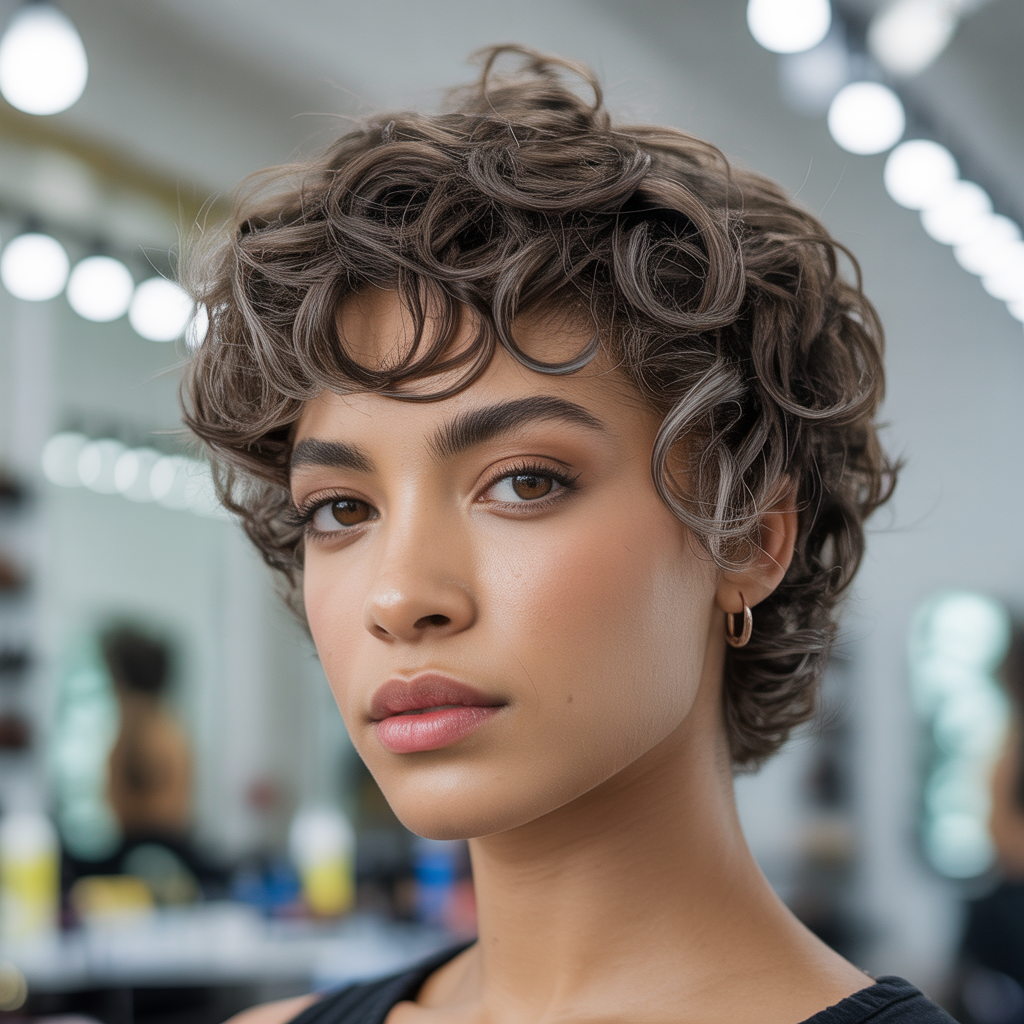
Curly wolf cut suits this shape. Keep layers purposeful. The stylist focuses on removing bulk in key zones while preserving natural curl pattern. Product choice is simple: light creams or mousses that define without stiffness. A short textured silhouette allows quick morning routines, minimal drying time, and a tidy profile that still reads as lived-in.
Medium layered shape
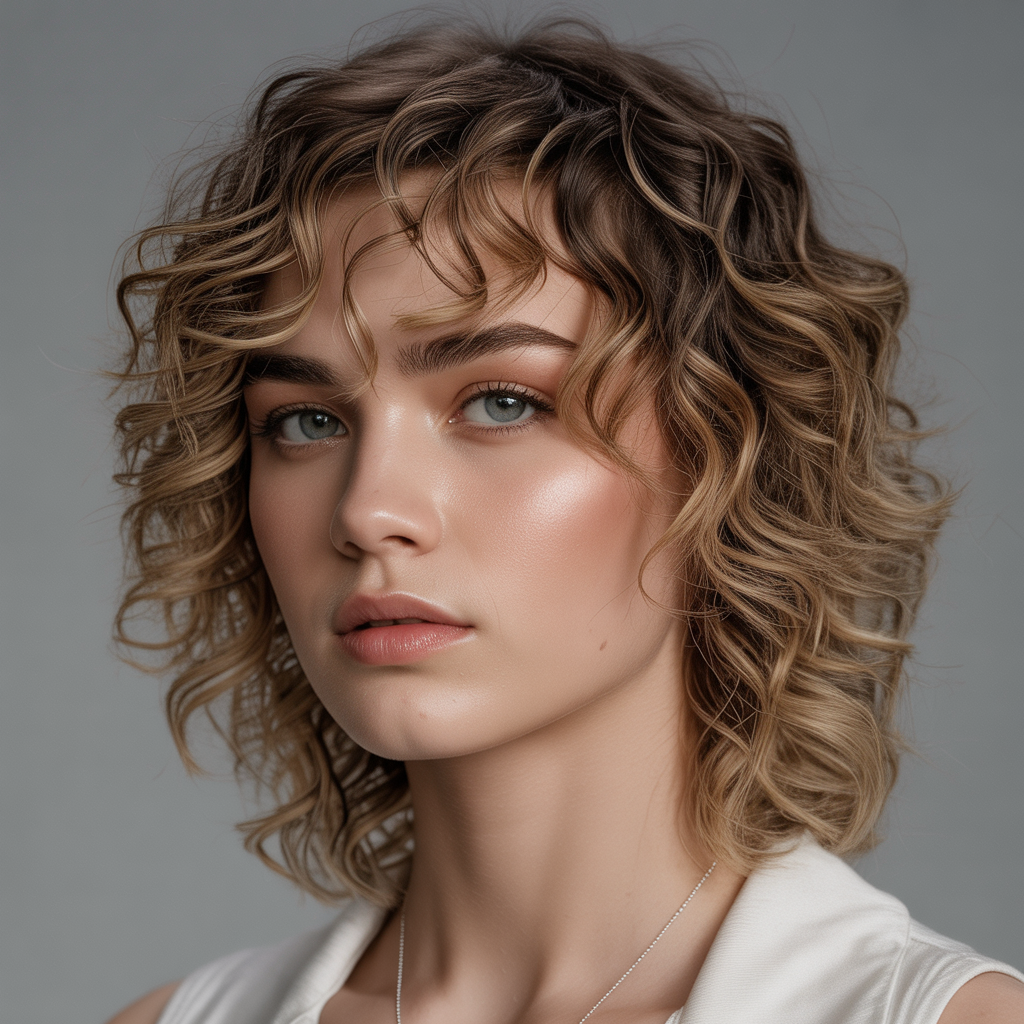
Curly wolf cut suits this shape. Medium layers balance length and movement across the head. Layers remove weight and create a feathered silhouette that covers a range of face shapes. Air-dry to keep texture, diffuse for lift. Use a light gel to set pattern and a leave-in for moisture without heaviness.
Long version with face-framing pieces
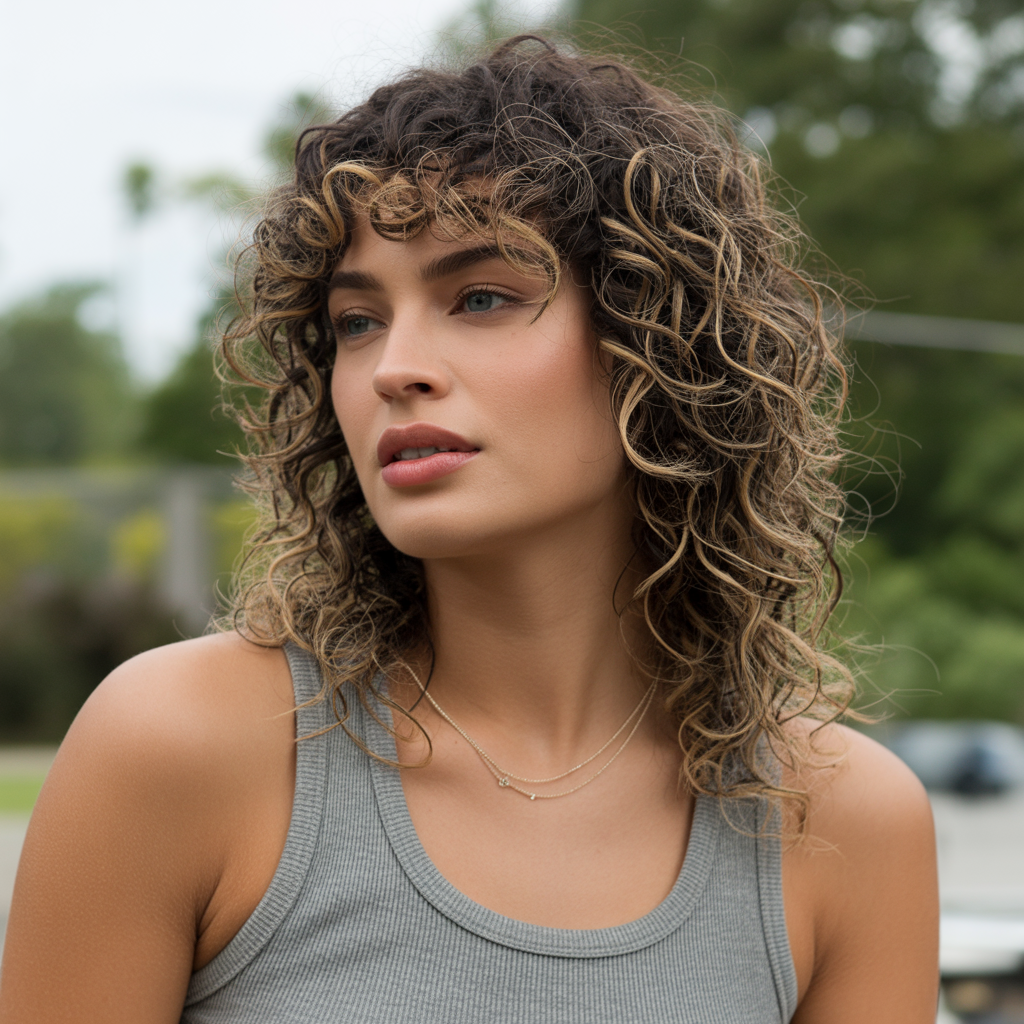
Curly wolf cut suits this shape. Longer pieces soften the jawline and add styling options like half-up knots or low buns. Layering is still the backbone: internal layers reduce bulk while external layers show movement. Trim ends regularly to avoid split ends. A leave-in conditioner preserves elasticity and bounce.
Tapered sides for balance
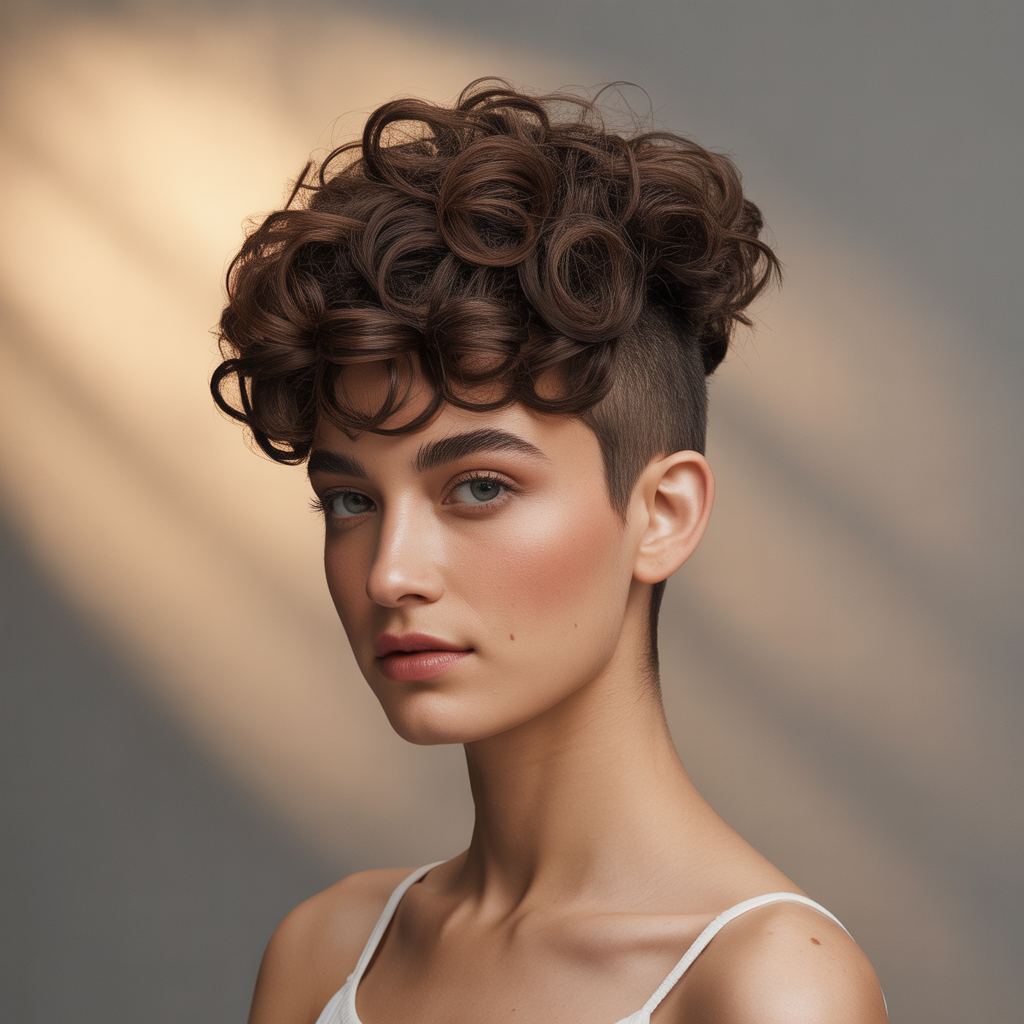
Curly wolf cut suits this shape. Tapered sides reduce apparent width and emphasize the crown’s volume. Keep the taper gradual so the overall silhouette remains balanced. This option is practical for denser hair that tends to look heavy. Finish with a small dab of styling balm to tame stray hairs.
Undercut contrast
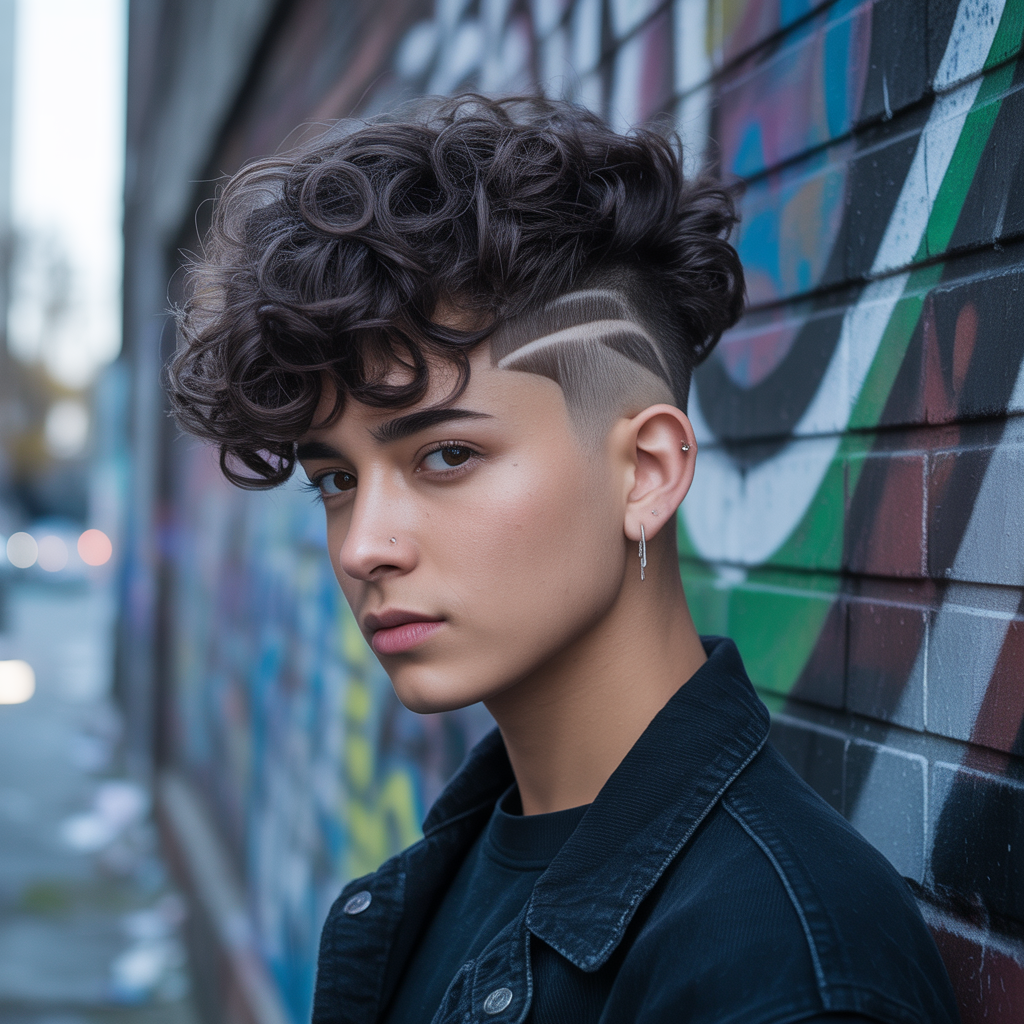
Curly wolf cut suits this shape. An undercut beneath the layers removes bulk and increases contrast. It can be concealed or revealed depending on styling. The undercut solves heaviness for very thick curls while keeping the layered top light. Maintain the shaved area with routine trims to keep lines crisp.
Tight coils adaptation
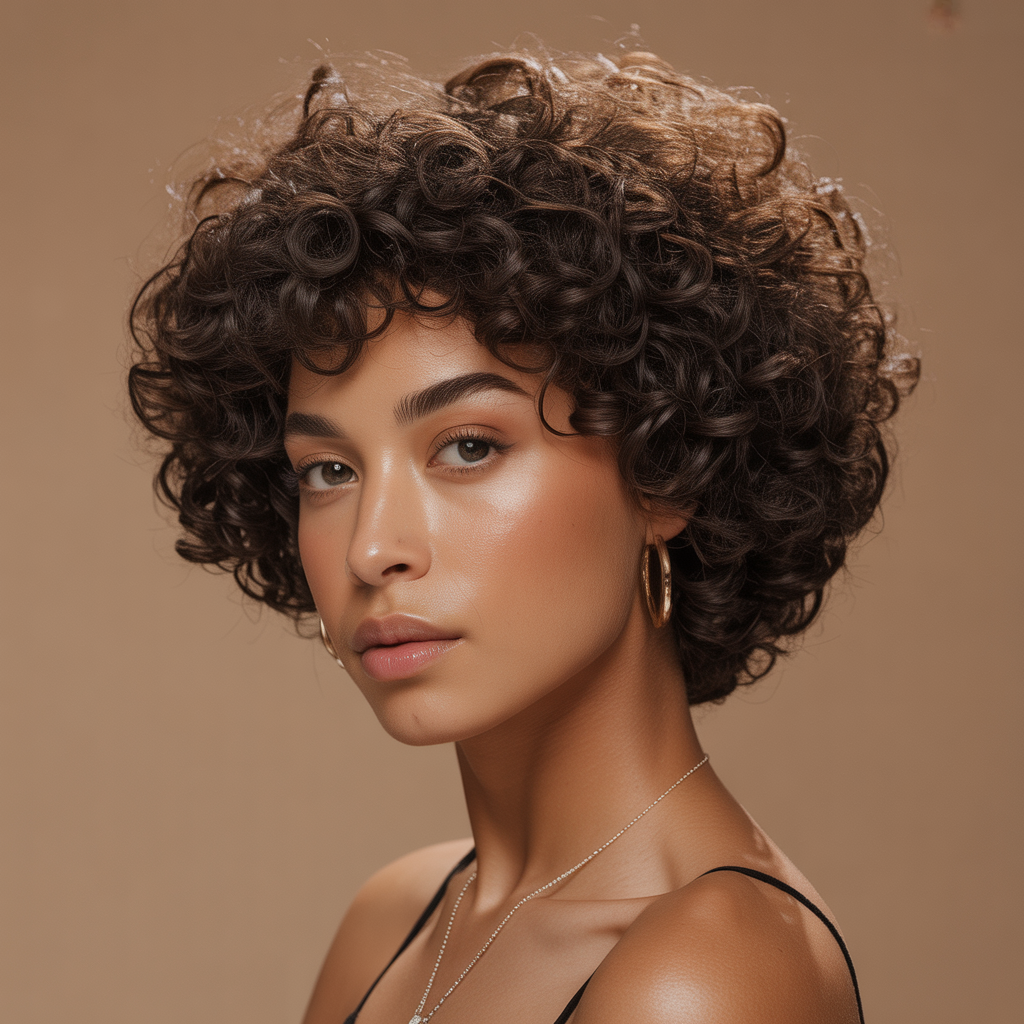
Curly wolf cut suits this shape. For tight coils, layer through the mid-lengths and ends to avoid a pyramid silhouette. The stylist must respect curl clumping to prevent frizz. Heavy creams that define coils without weighing are best. A proper wash routine and deep-conditioning once a week keeps coils springy.
Loose waves interpretation
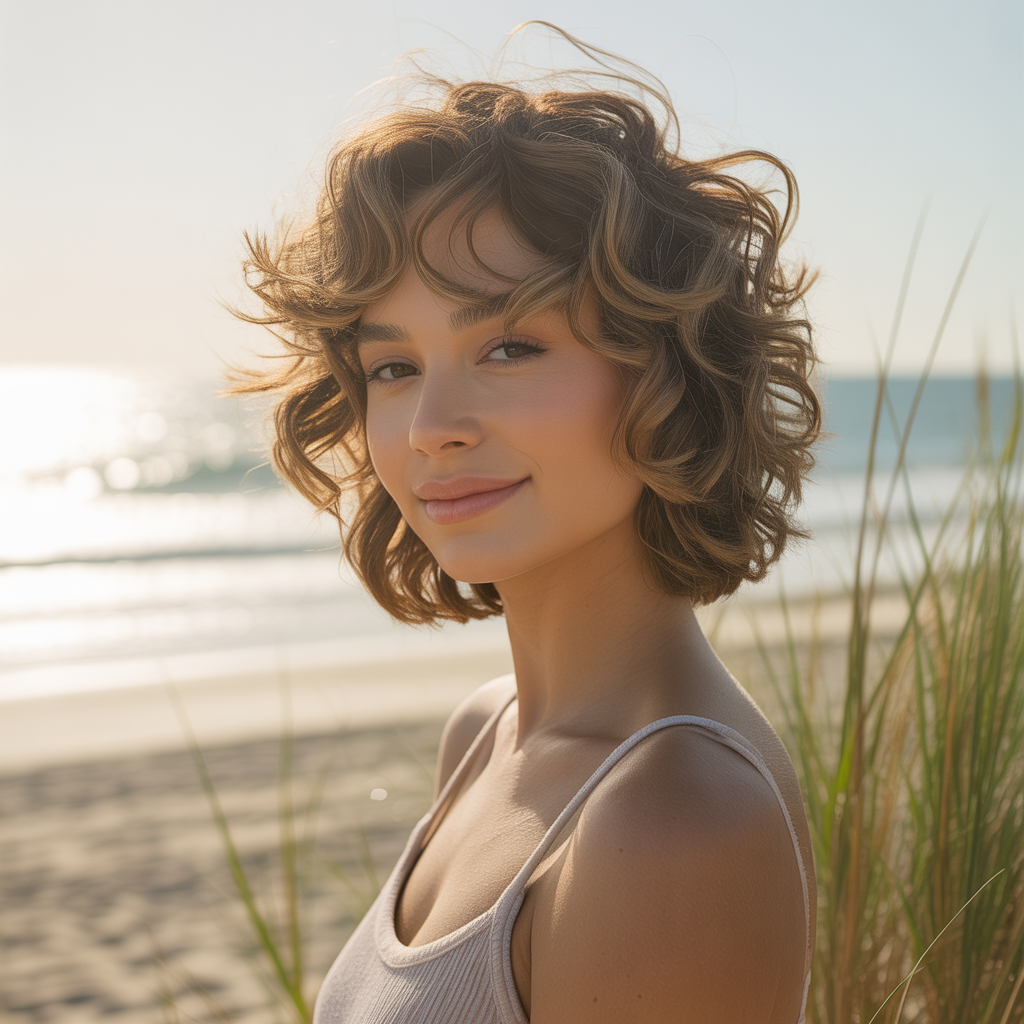
Curly wolf cut suits this shape. Loose waves gain sweep and motion from carefully placed layers. Gentle internal layering prevents limpness and encourages natural fall. Scrunch with a lightweight mousse and air-dry for a lived-in look. Occasional diffusion increases volume without disrupting the wave pattern.
Curtain bangs blend
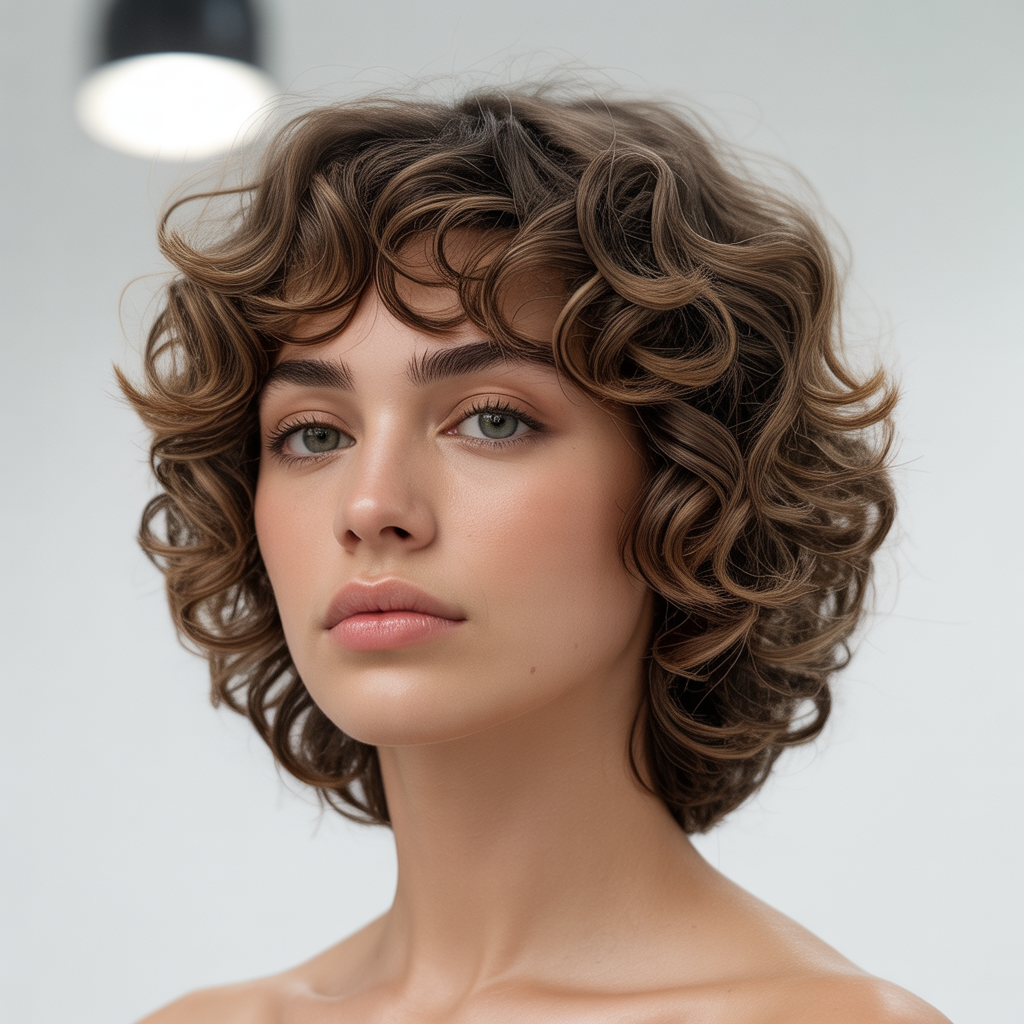
Curly wolf cut suits this shape. Curtain bangs frame the eyes and soften the forehead while blending into layered sides. Keep bangs slightly longer to avoid constant trimming. Shape them with a small amount of styling paste to separate sections. This small change transforms the silhouette without heavy maintenance.
Blunt-ended finish
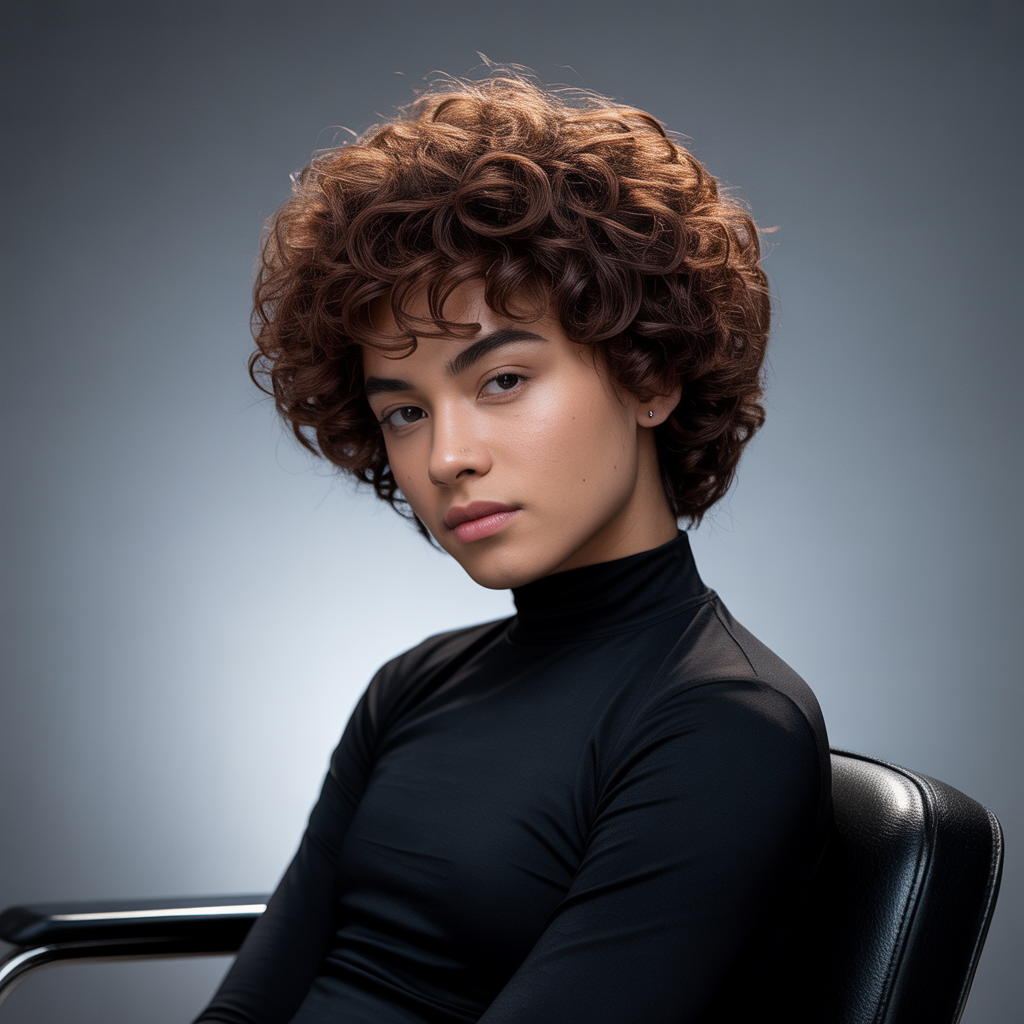
Curly wolf cut suits this shape. Blunt ends create intentional weight and a stronger line at the perimeter. This finish works well on curls that hold structure and benefit from a defined edge. Internal layering contrasts with the blunt outer line for a modern look. Schedule trims every eight to ten weeks.
Subtle highlights for depth
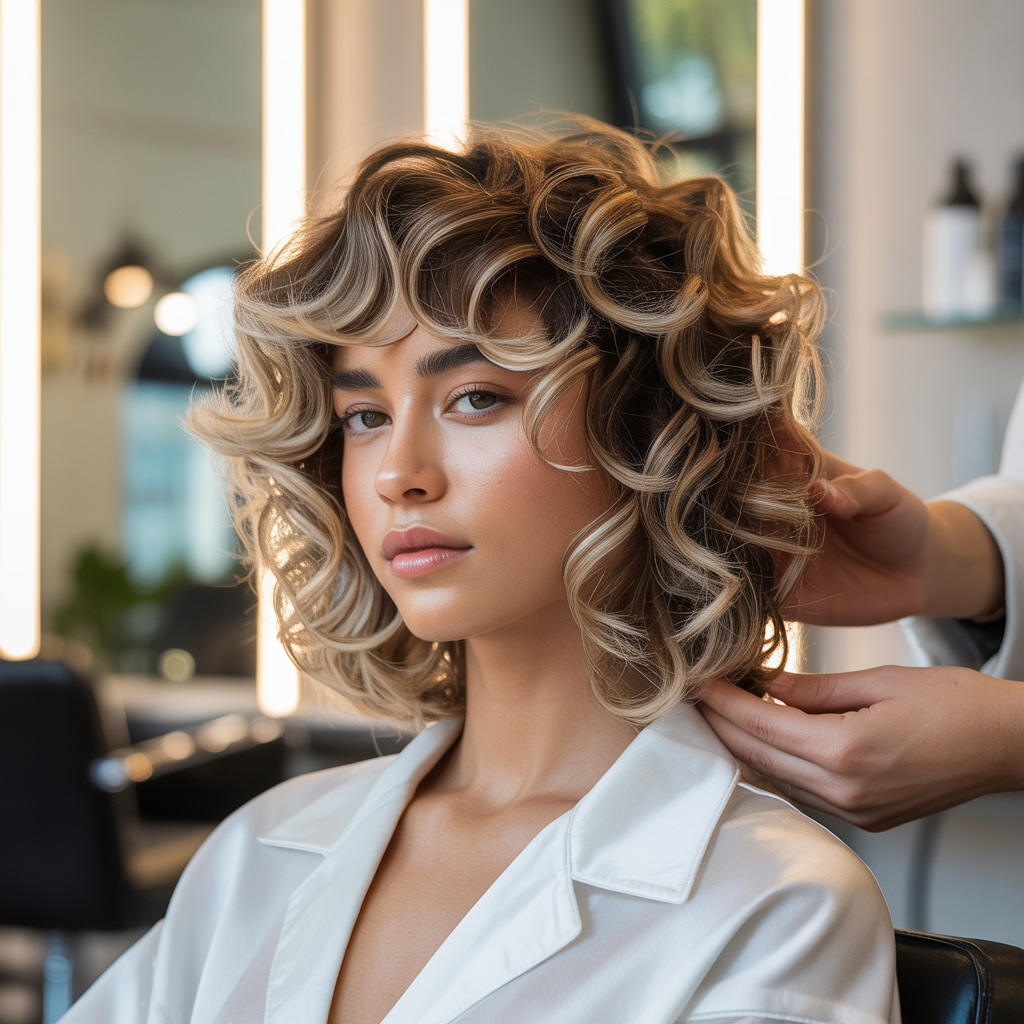
Curly wolf cut suits this shape. Subtle highlights add dimension without overpowering texture. Place color near the crown and face to bring out layers and movement. Stick to tones close to the base color for a soft, sun-kissed effect. Protect color with sulfate-free products and UV defense.
Shape for round faces

Curly wolf cut suits this shape. Tailor the layers to add vertical lift and elongate the profile. Longer top layers and slightly extended sides move attention upward and avoid adding cheek width. Minimal product keeps the finish soft and natural. Coordinate cut length with the stylist to suit your proportions.
Softening square faces
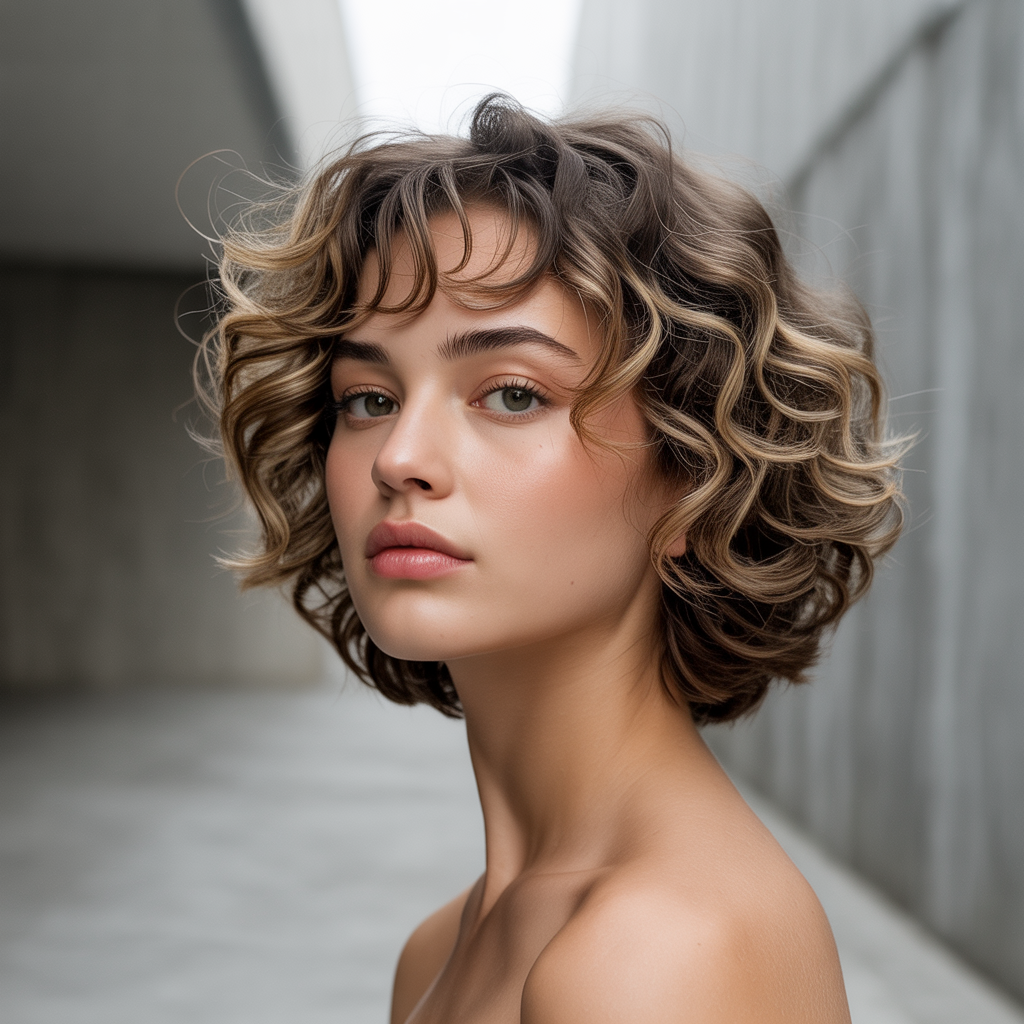
Curly wolf cut suits this shape. Use curved layers and face-framing lengths to offset strong jawlines. Asymmetric finishing—slightly longer on one side—breaks visual rigidity. A light oil adds sheen and controls frizz without flattening volume. This approach keeps edges soft while maintaining structure.
Shaved design detail
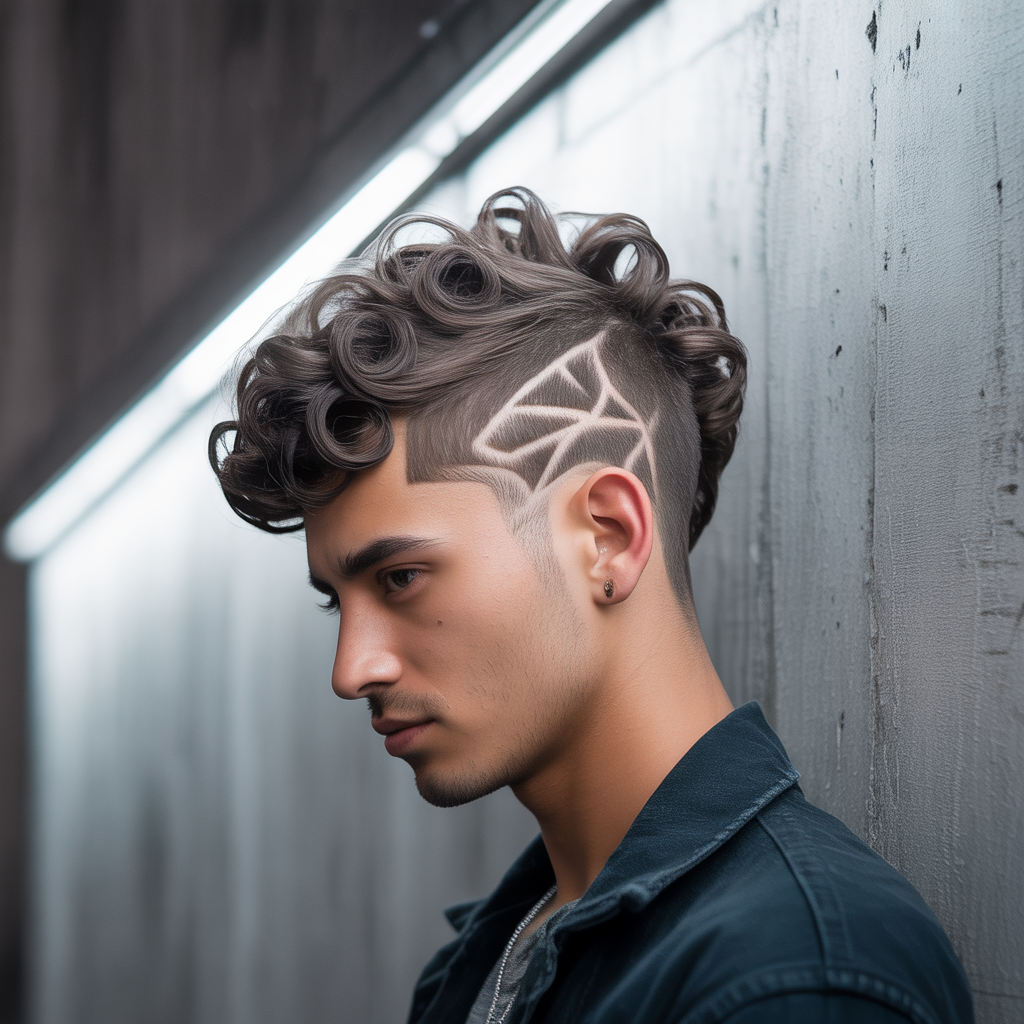
Curly wolf cut suits this shape. A shaved design beneath layered curls adds personality without altering the top shape. The pattern can be subtle or bold depending on placement. It’s low-visibility unless styled to show it. Expect regular touch-ups for the shaved area to retain sharpness.
Thin hair strategy
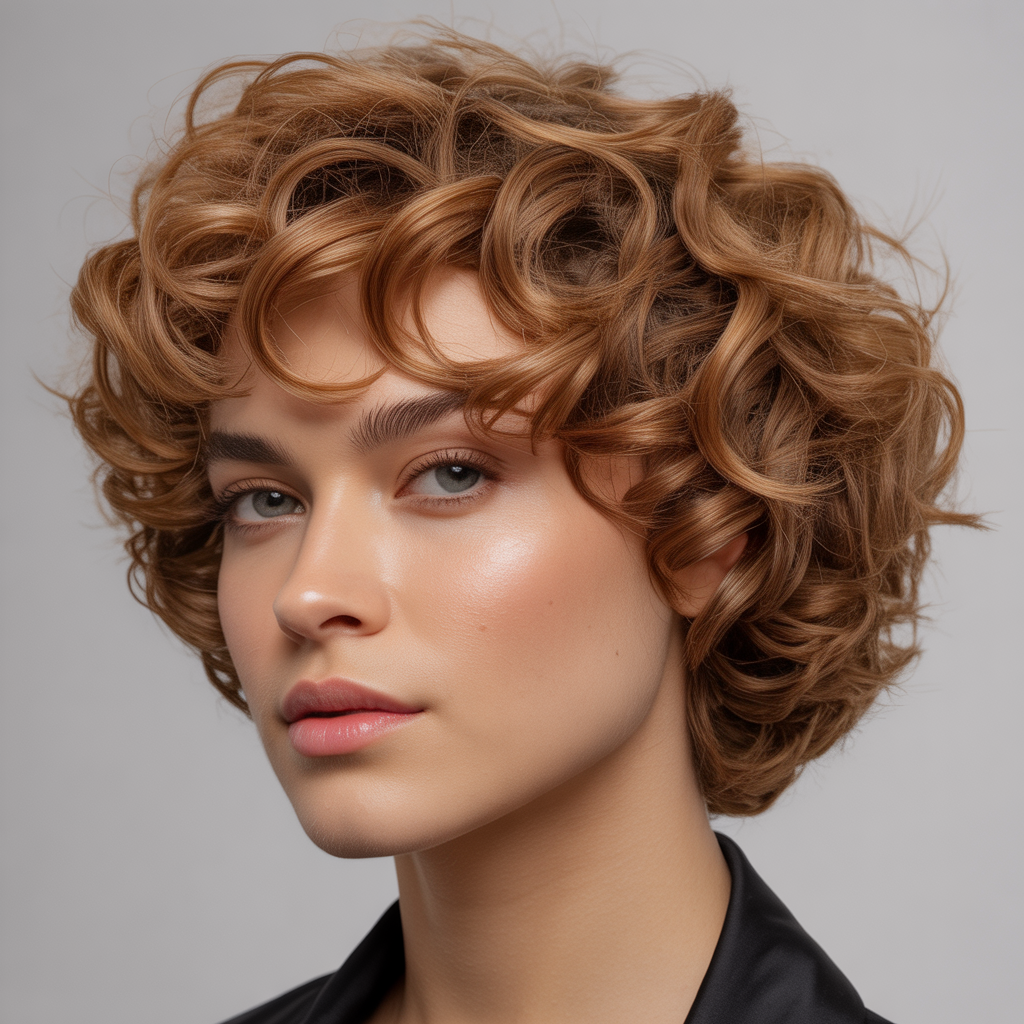
Curly wolf cut suits this shape. For thin hair, focus on creating perceived density through textured layering at the crown. Shorter internal layers and targeted lift give the impression of fullness. Avoid heavy conditioners that weigh curls down. Root-lifting sprays and minimal product achieve the best hold without flattening.
Managing thick hair
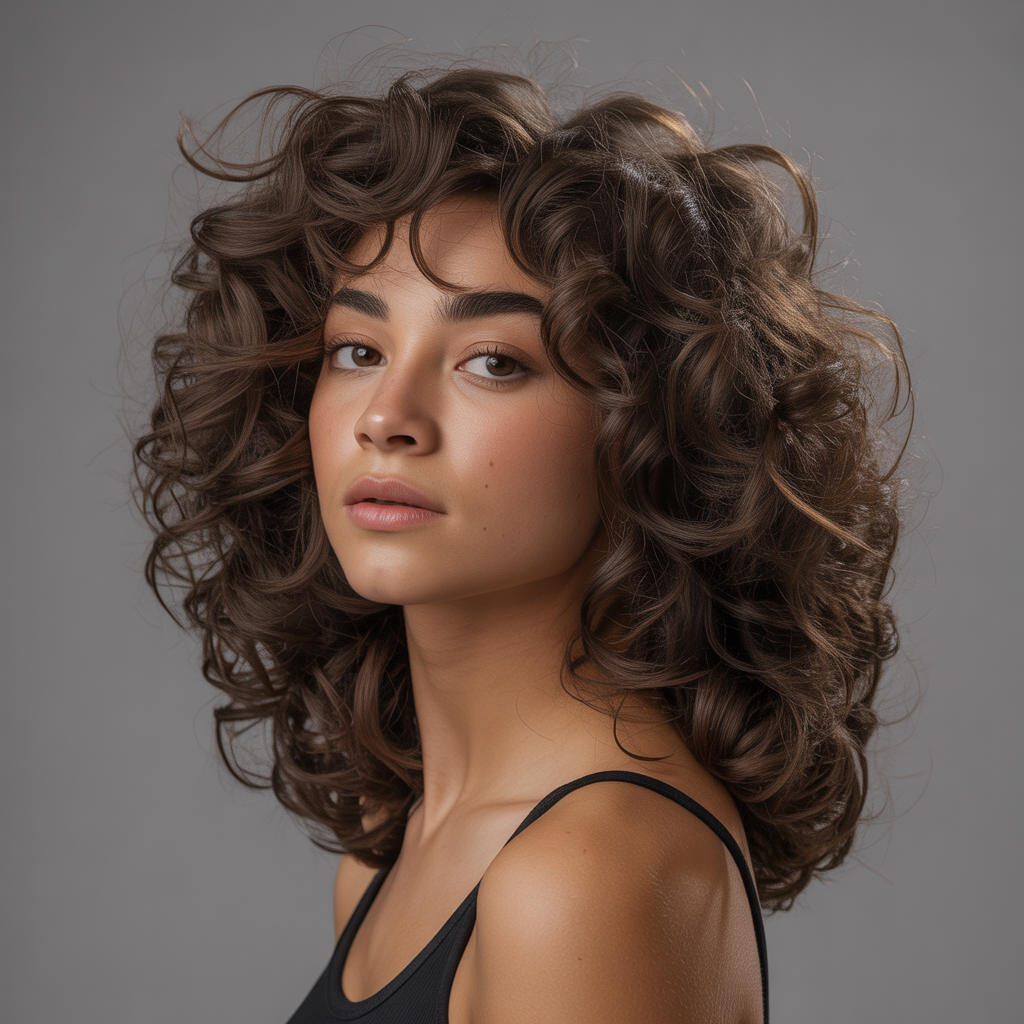
Curly wolf cut suits this shape. Thick hair needs internal thinning and selective weight removal to avoid a bulky silhouette. Layer placement must preserve movement while eliminating unnecessary mass. A smoothing serum used sparingly tames frizz and keeps the shape defined without reducing volume.
Aging hair considerations
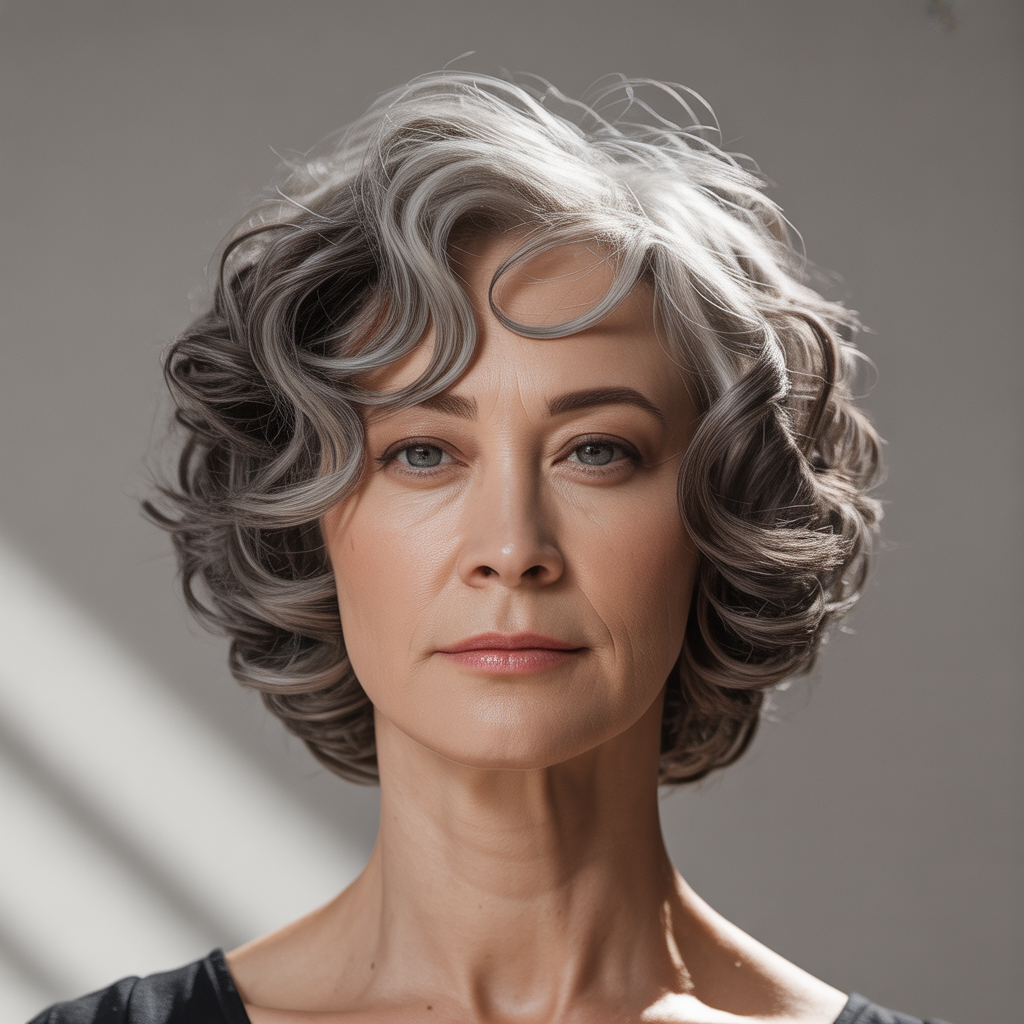
Curly wolf cut suits this shape. Aging hair benefits from slightly longer layers that reduce the need for frequent salon visits and soften overall texture. Hydration-forward products counter drier strands and improve manageability. Keep color natural or low-contrast to simplify regrowth maintenance.
Active lifestyle setup

Curly wolf cut suits this shape. The cut works for active people because it’s quick to refresh and resists tangling during movement. Shorter sides and a defined top mean fewer adjustments after workouts. A small travel-size styling cream is handy for post-gym touch-ups. Rinse-and-scrunch often beats heavy styling.
Formal styling tweaks
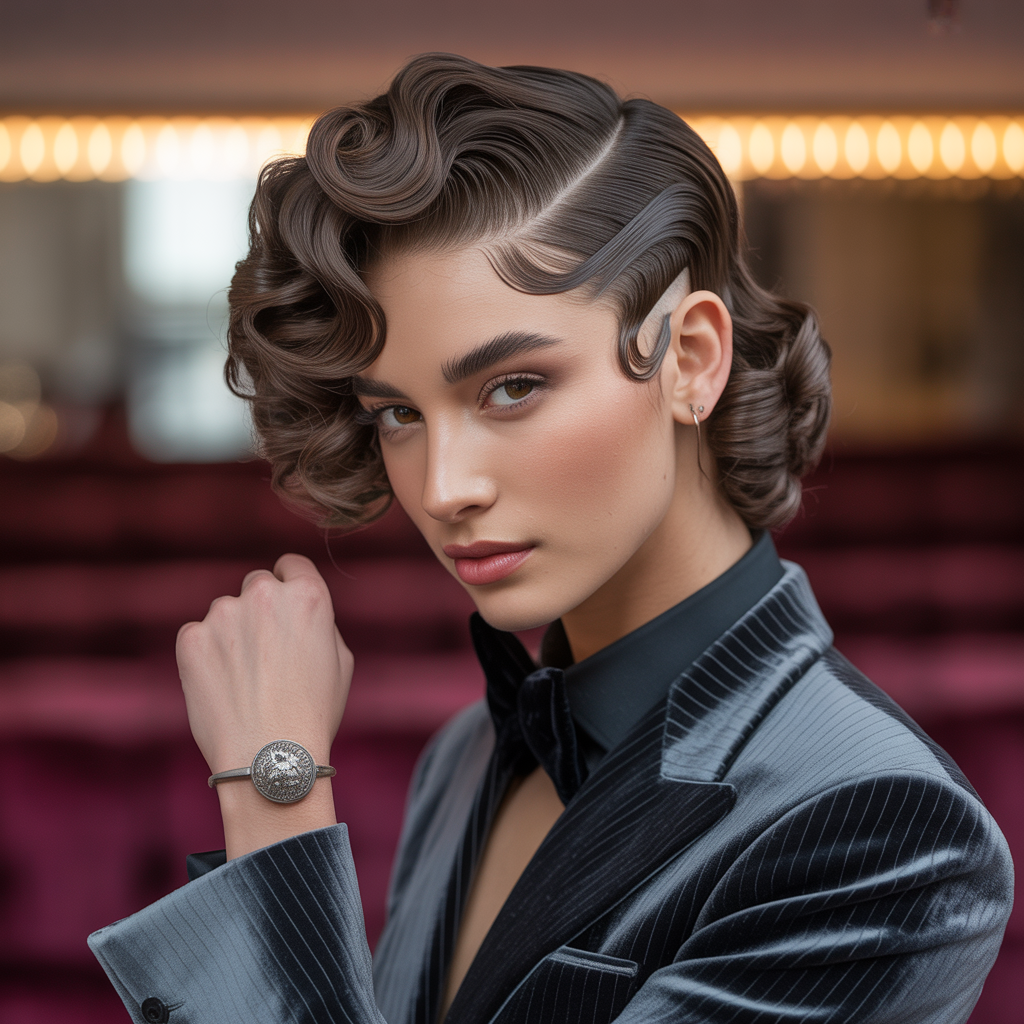
Curly wolf cut suits this shape. For formal settings, smooth and define curls with a diffuser or a light gel for a polished look. Pin longer pieces behind the ear or secure with minimal clips for a cleaner profile. Finish with soft-hold spray to keep the shape in place without making hair stiff.
Accessorizing the cut
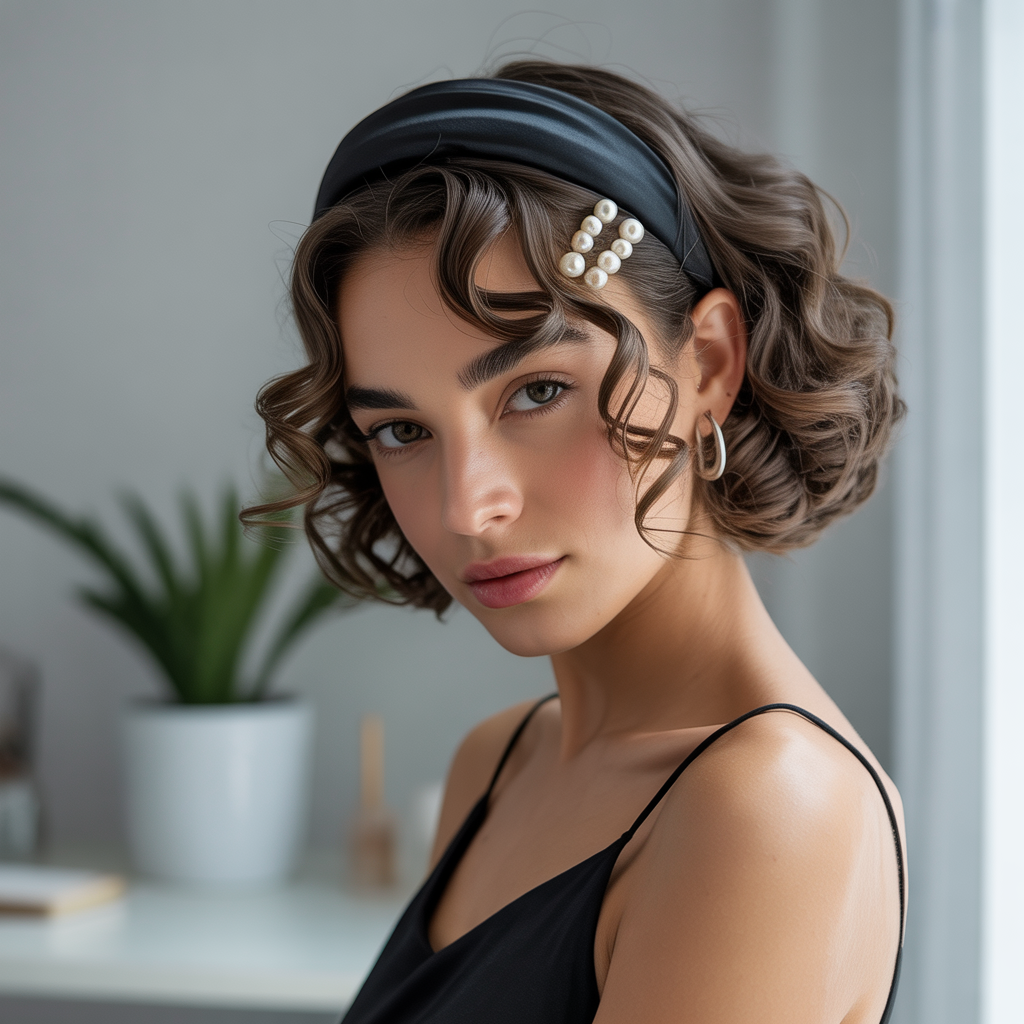
Curly wolf cut suits this shape. Accessories change the tone fast: clips to reveal an undercut, headbands to push back layers, scarves to add texture. Keep accessories minimal to preserve the silhouette. Small accents can shift the look from casual to refined in seconds.
Practical maintenance routine
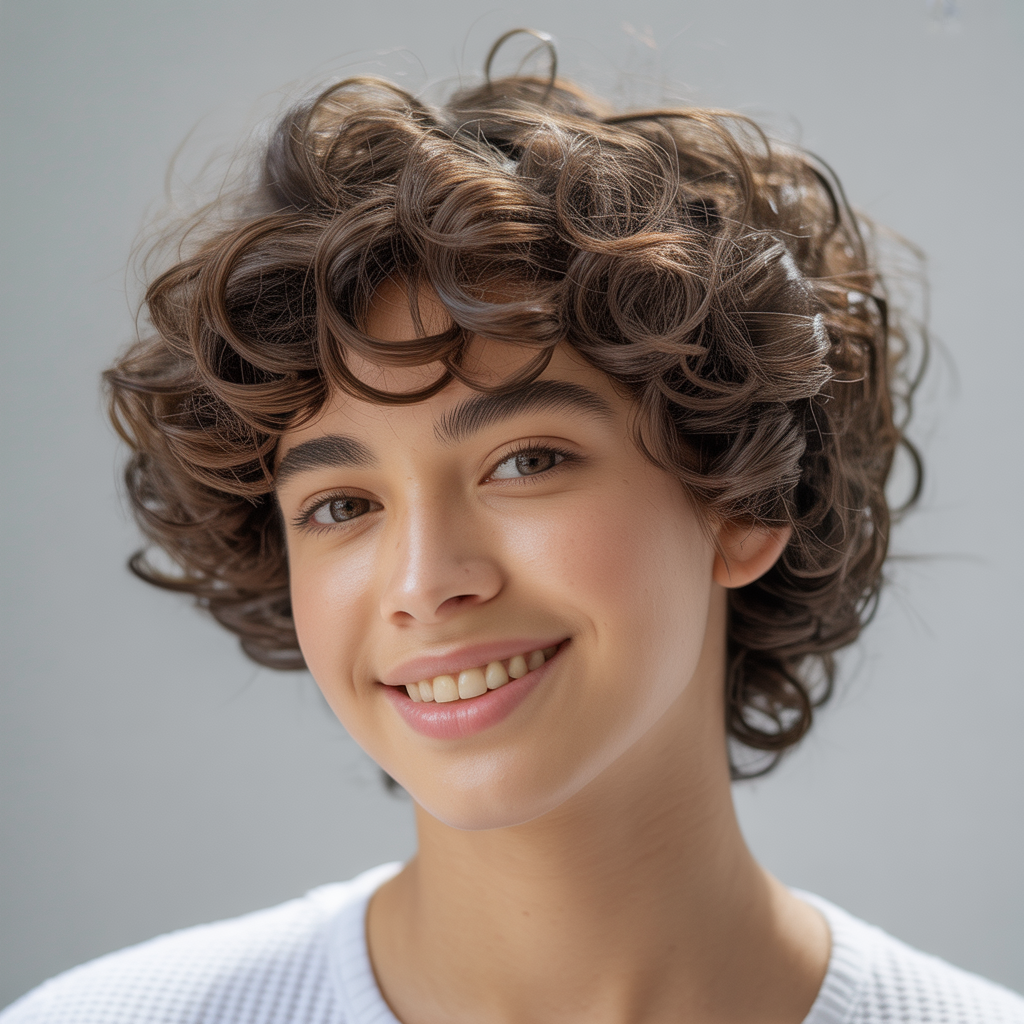
Curly wolf cut suits this shape. Maintain the cut with a simple routine: wash less often, refresh with water or leave-in spray between washes, and trim every eight to twelve weeks. Keep moisture and porosity balanced to preserve curl pattern. A predictable routine makes the shape deliberate, not accidental.
Frequently Asked Questions
How often should I trim this cut?
Trim every eight to twelve weeks to maintain shape. For blunt ends or undercuts, schedule trims closer to eight weeks.
Can this style work on very short hair?
Yes. The wolf silhouette scales down by shortening top layers while keeping signature volume. Communicate length preferences with your stylist.
Will this make my hair look thinner?
When done correctly, selective layering creates perceived fullness. For very thin hair, limit internal layering to preserve density.
How do I sleep without flattening the shape?
Use a silk pillowcase or a loose pineapple on top. Refresh curls in the morning with water and a light product.
Is this suitable for professional environments?
Yes. With thoughtful styling—tucking, smoothing, or pinning—the look can appear neat and professional.
Conclusion
The cut is adaptable, practical, and modern. These twenty ideas offer tailored approaches for different textures, face shapes, and lifestyles. Keep styling minimal. Prioritize layering and moisture. A clear maintenance routine preserves shape and health. Choose the version that fits your daily needs and personal aesthetic. Small changes yield reliable results when you stick to the shape and preserve curl health. Follow basic hydration, avoid over-brushing, and make trimming predictable to keep texture intentional. Your stylist should shape, not thin, to maintain presence.