
20 Best Curly Hair Products, Cuts & Styling Tips You Need
Curly hair has always been admired for its natural beauty, volume, and texture. Unlike straight or wavy hair, curls require special care, styling methods, and products to keep them healthy and defined. From loose waves to tight coils, curly hair comes in many forms, each with its own unique charm. While it can be a challenge to manage frizz, dryness, and tangles, the right knowledge and techniques can help anyone embrace their natural curls with confidence.
Understanding Curl Types
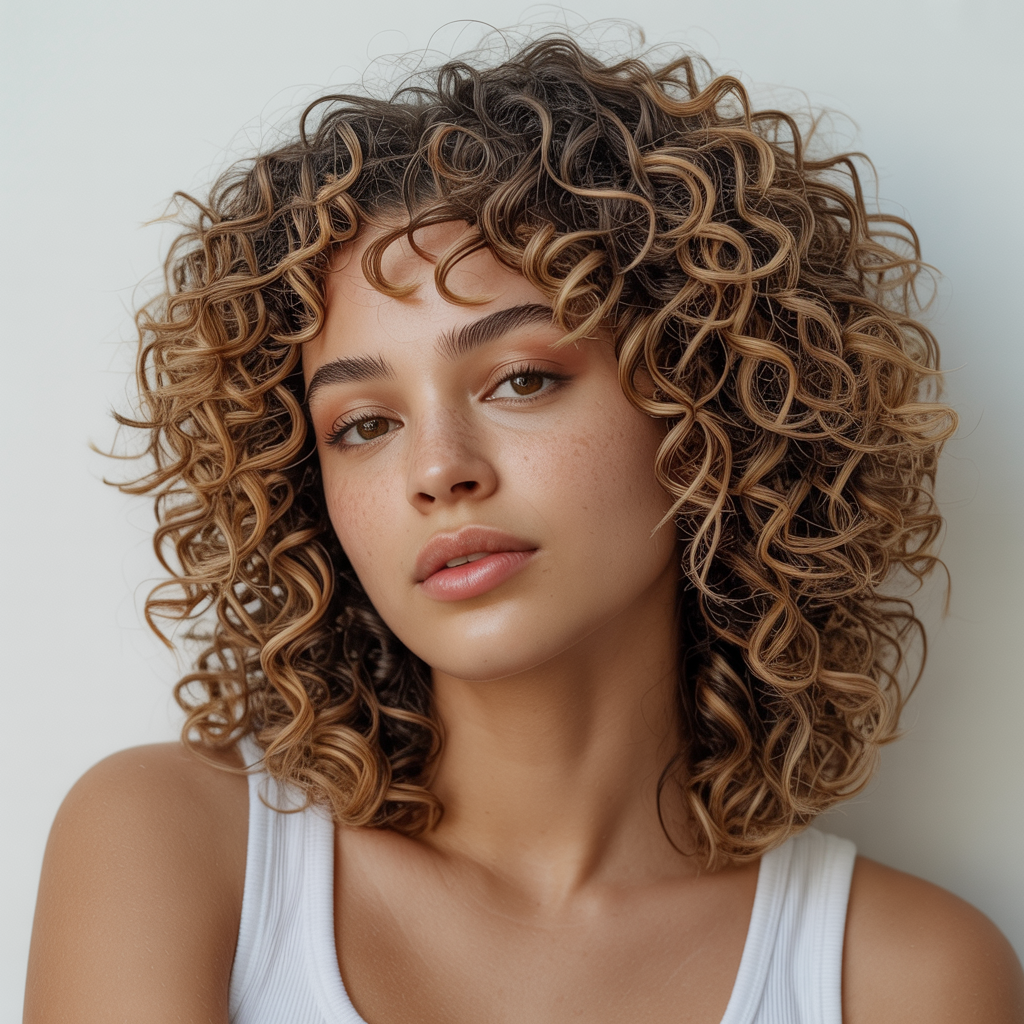
Curly hair is not the same for everyone. It ranges from loose spiral curls to tight coils, categorized into types 2C, 3A, 3B, 3C, and 4A–4C. The tighter the curl, the more prone it is to dryness because natural oils from the scalp have a harder time traveling down the hair shaft. Knowing your curl type helps in choosing the right products and styling techniques.
Essential Haircare Routine for Curls
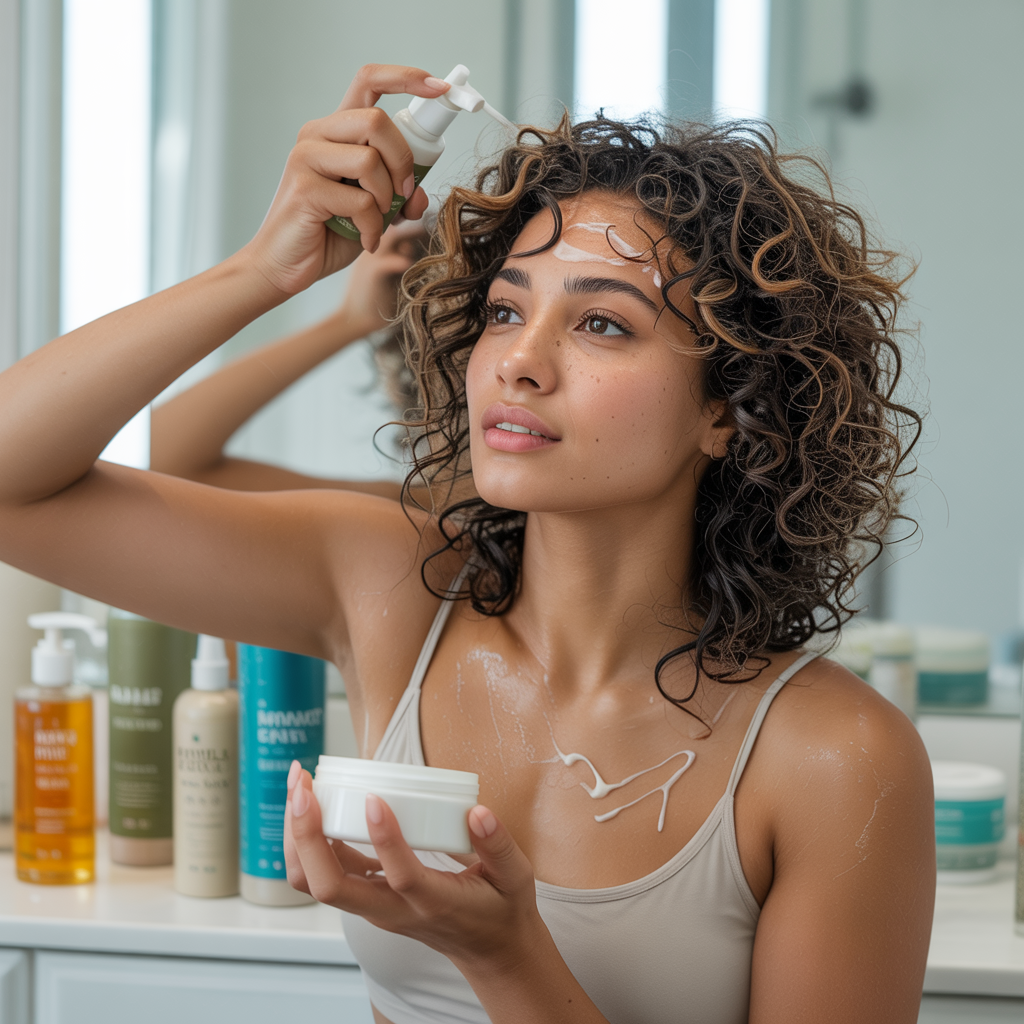
Curls thrive on moisture. A good curly hair routine includes gentle cleansing with sulfate-free shampoos, deep conditioning treatments, and leave-in products that provide hydration. Many curl enthusiasts follow the “LOC method” (Leave-in, Oil, Cream) to lock in moisture and prevent dryness. Consistency is key in maintaining defined, frizz-free curls.
Managing Frizz Effectively
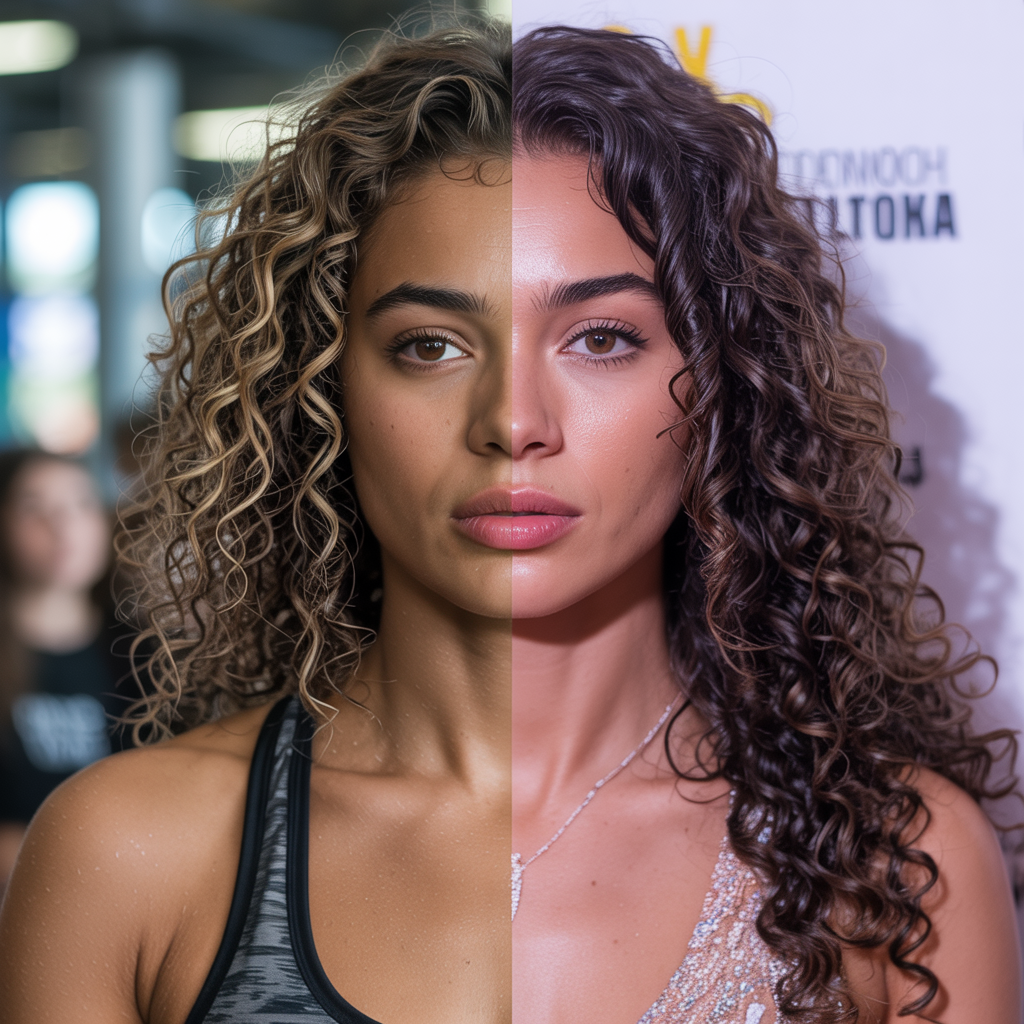
Frizz is one of the biggest challenges for curly-haired individuals. Humidity, lack of moisture, and heat damage all contribute to frizz. To reduce it, use microfiber towels or cotton T-shirts to dry hair instead of regular towels. Applying curl creams or gels immediately after washing helps seal in definition and prevent flyaways.
Choosing the Right Haircuts for Curly Hair
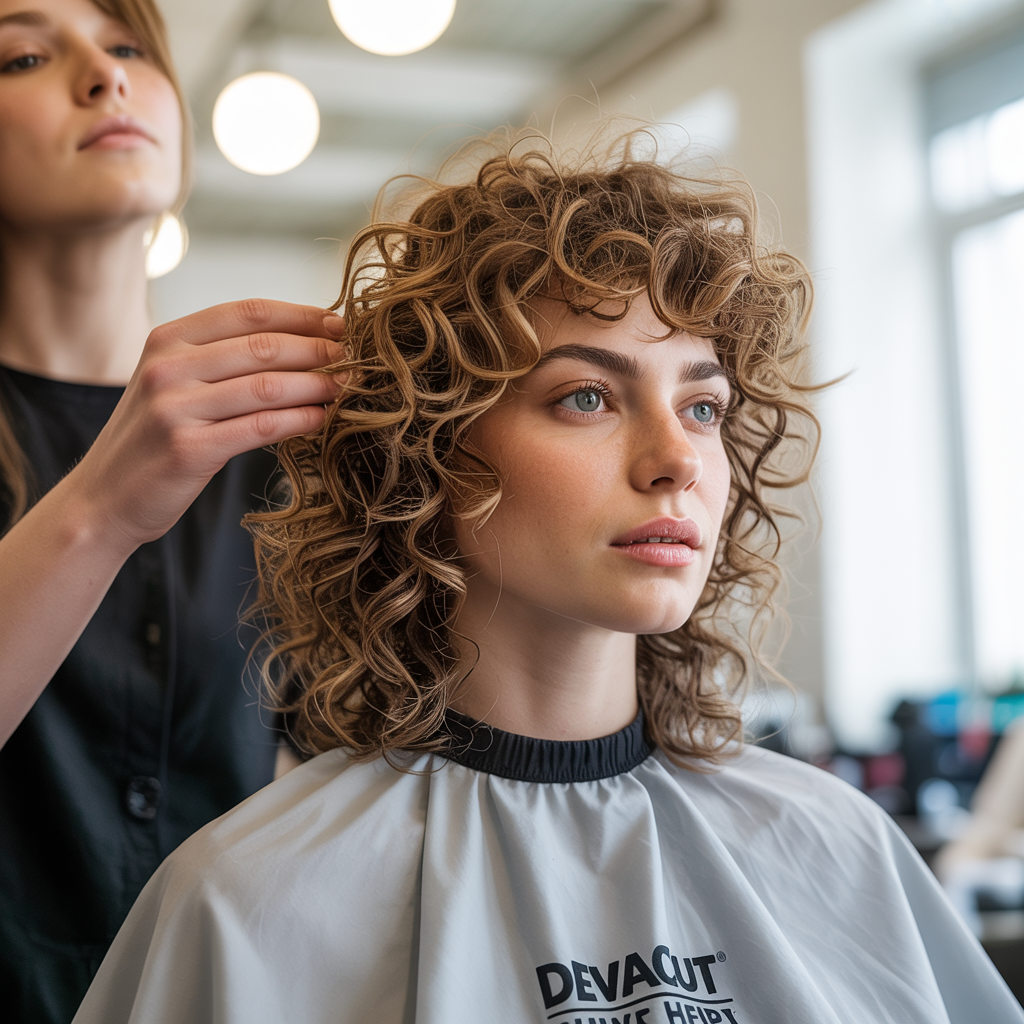
Curly haircuts are different from straight haircuts because they must work with the curl pattern. Layered cuts help distribute volume evenly, while curly bobs give a chic, modern look. Many people opt for the DevaCut, a curl-specific technique where hair is cut dry to ensure each curl falls naturally.
Styling Wash-and-Go Curls
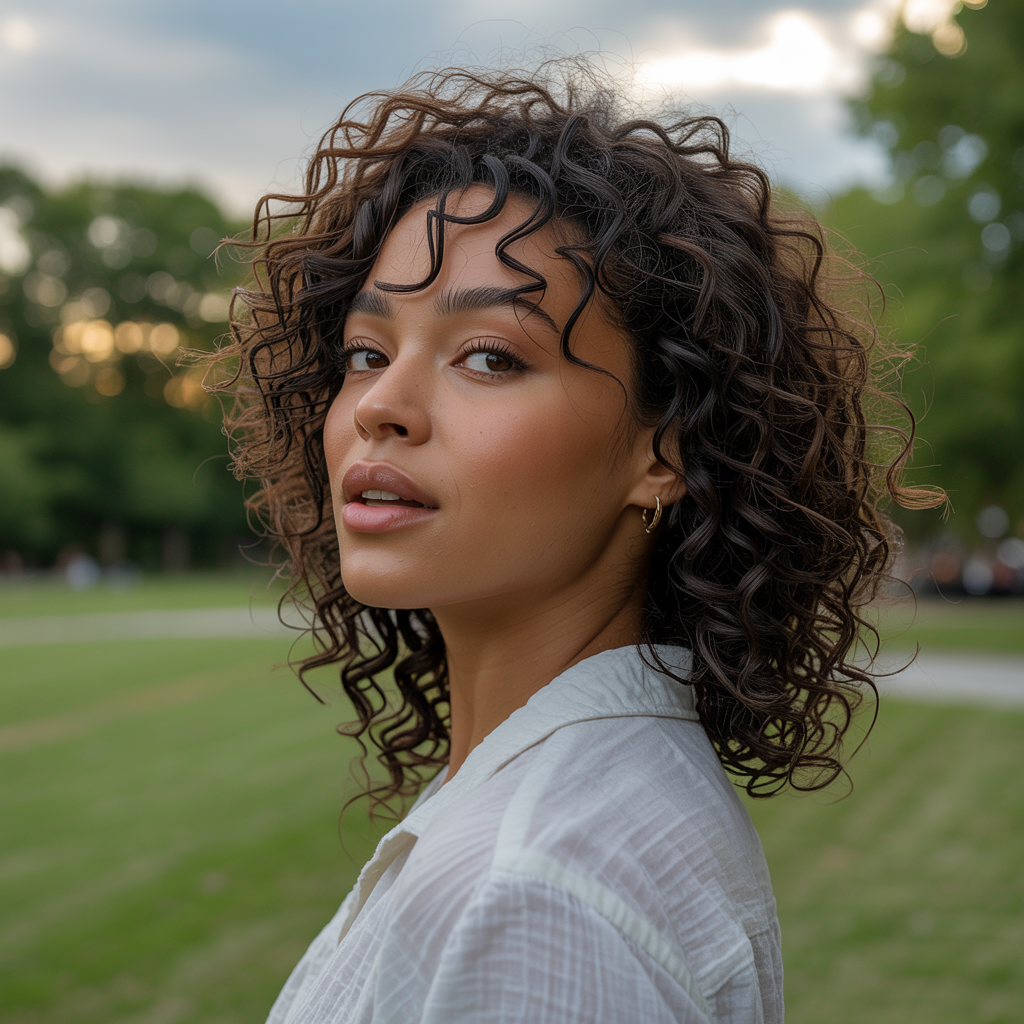
The wash-and-go method is one of the most popular ways to style curls. It involves applying a leave-in conditioner, curl cream, or gel on freshly washed hair and letting it air dry or diffusing it. This method enhances natural curl definition and creates a carefree, voluminous look that can last for several days.
Protective Hairstyles for Curls
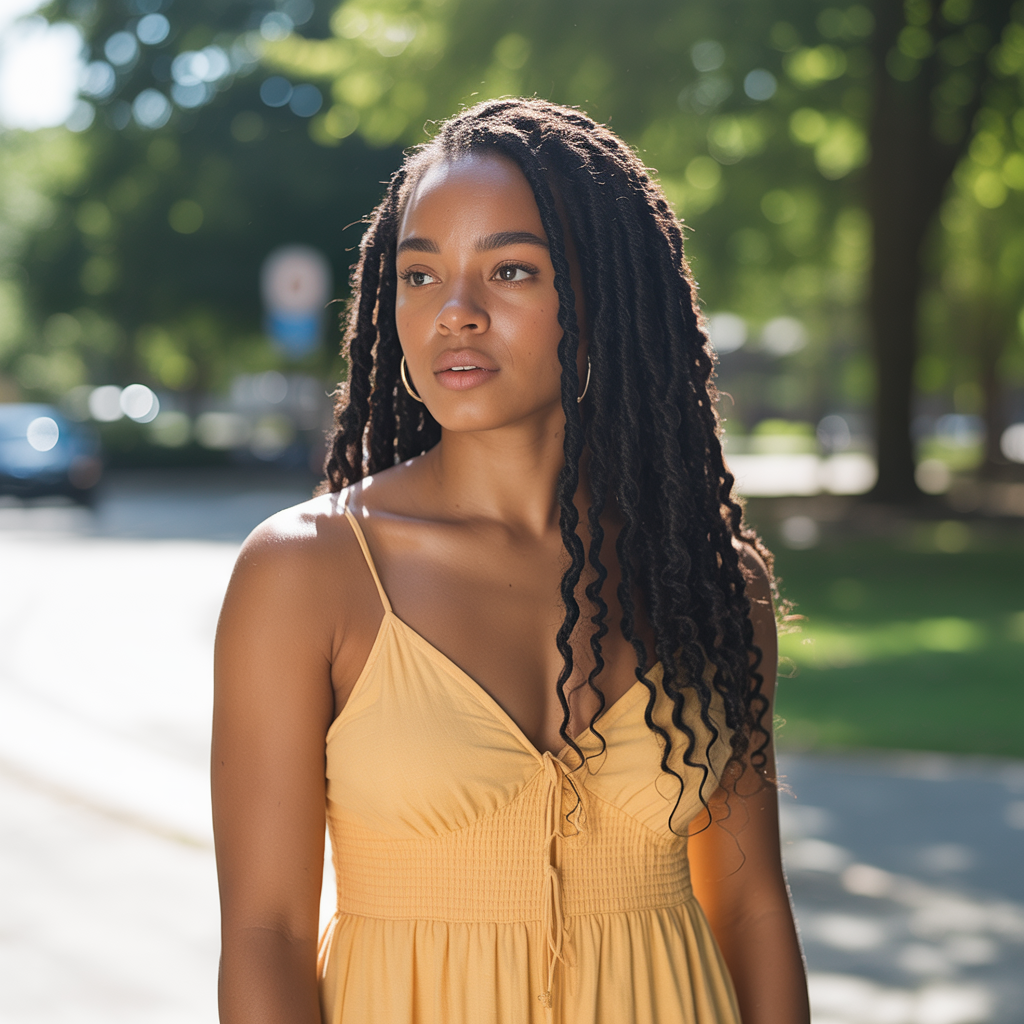
Protective hairstyles like braids, twists, and buns help prevent breakage and reduce manipulation of curls. These styles are especially useful for keeping curls healthy overnight or during harsh weather conditions. Protective styles also make it easier to retain length and moisture over time.
Best Products for Curly Hair

Curly hair thrives with hydrating and curl-defining products. Look for shampoos without sulfates, conditioners with natural oils like argan or coconut, and styling gels that provide hold without stiffness. DIY remedies like flaxseed gel or aloe vera are also excellent natural alternatives for defining curls.
Nighttime Care for Curls
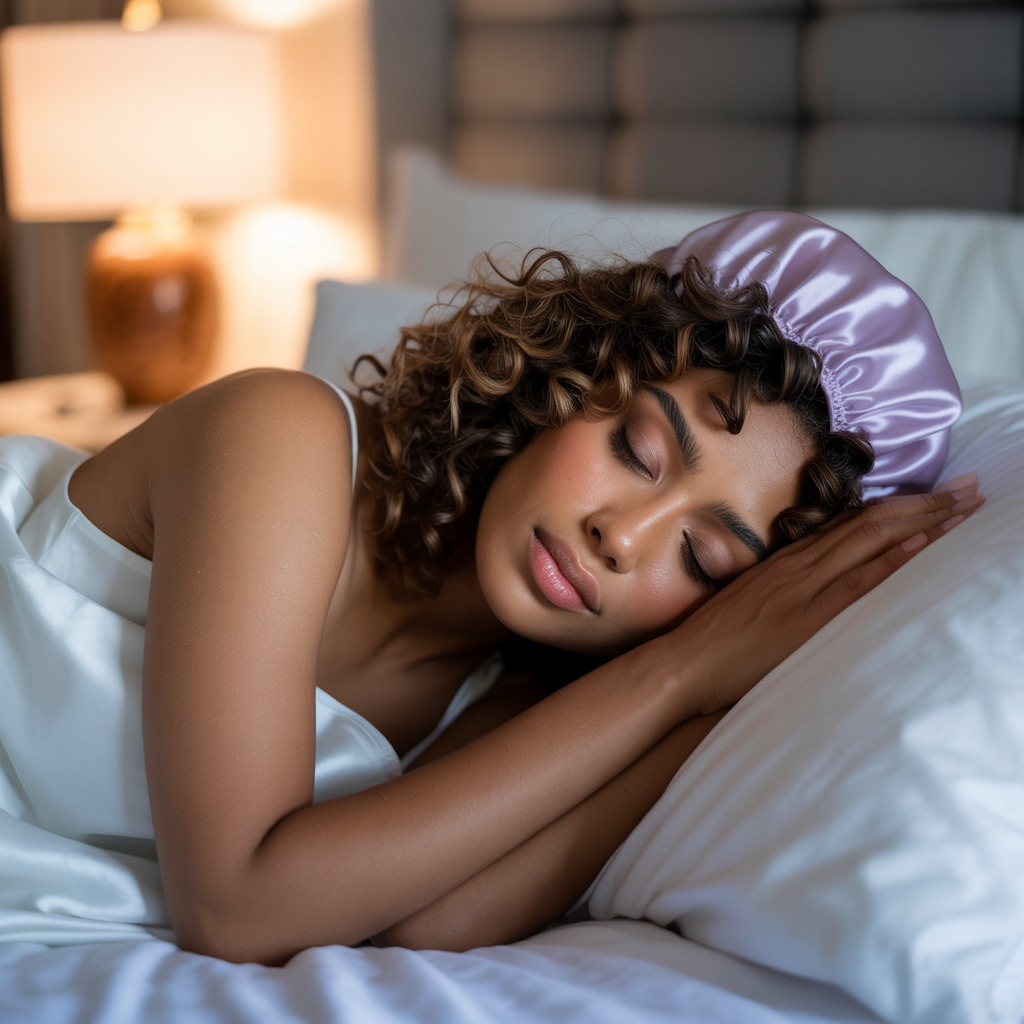
Curls can lose definition overnight if not properly cared for. Sleeping on a silk or satin pillowcase reduces friction, while wearing a silk bonnet helps preserve styles. The “pineapple method,” where hair is loosely tied at the top of the head, keeps curls intact and prevents frizz while sleeping.
Hairstyles for Everyday Wear
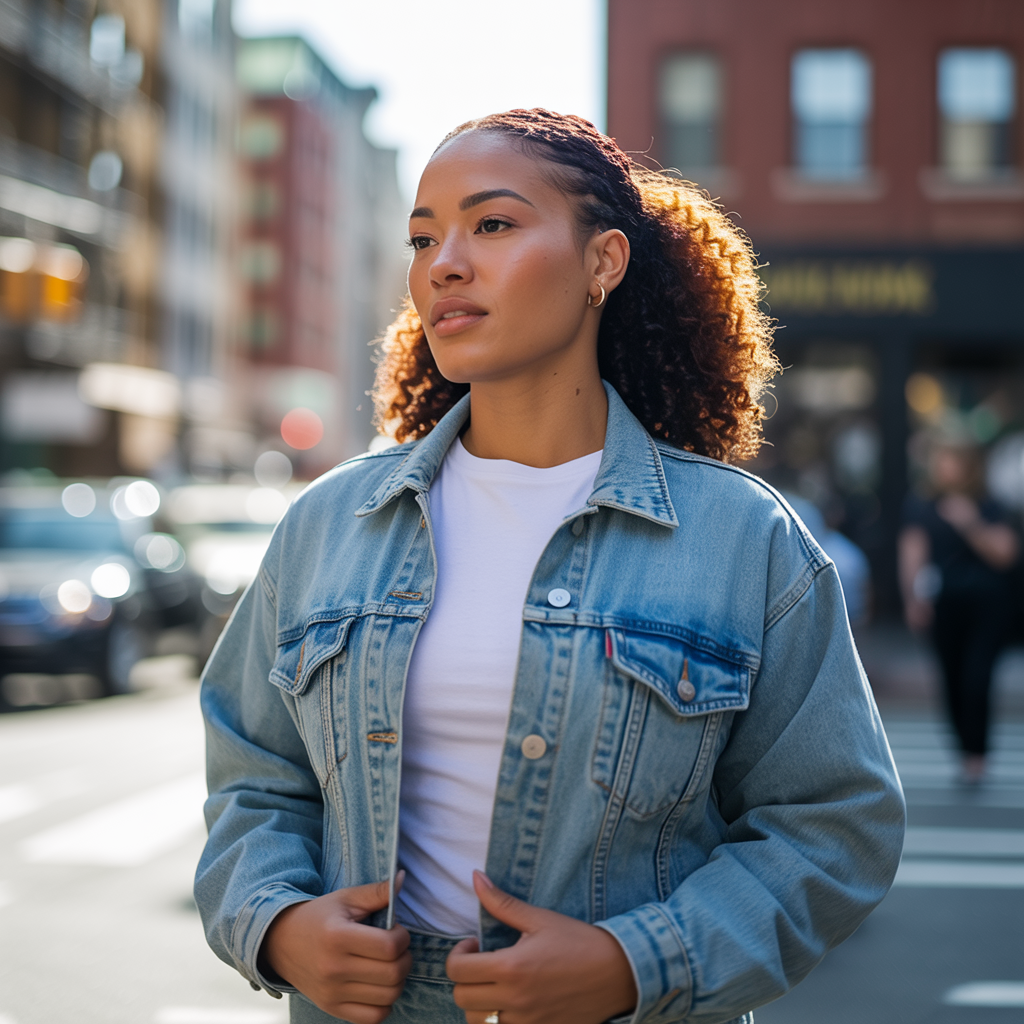
Curly hair can be styled in many ways for daily wear. A half-up half-down style works perfectly for casual looks, while a sleek curly ponytail is ideal for a polished appearance. Messy buns and low puffs are easy, stylish options that showcase curls effortlessly.
Formal Curly Hairstyles
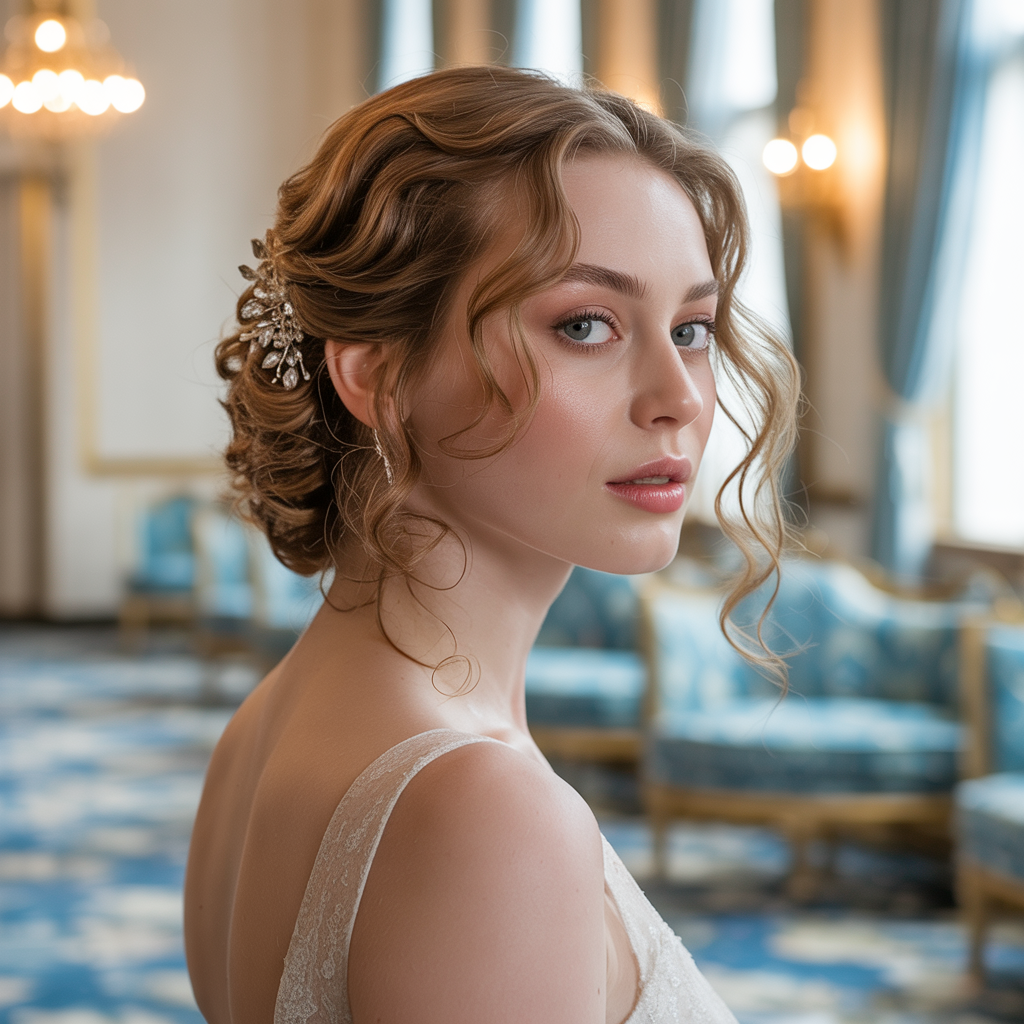
For special occasions, curls can be styled into elegant updos, braided crowns, or pinned half-up styles. Adding accessories like jeweled pins or headbands elevates curly hairstyles for weddings, parties, or professional events without the need to straighten them.
Seasonal Care for Curly Hair
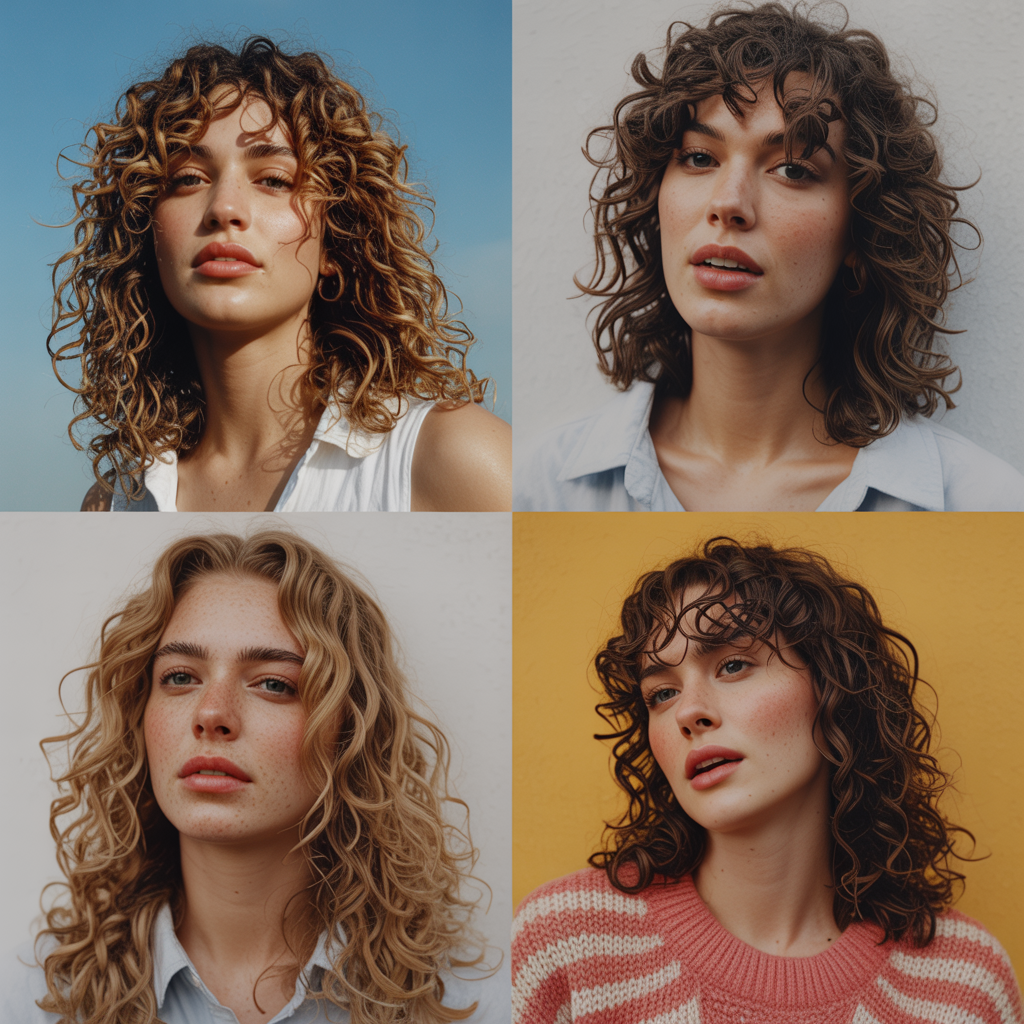
Curls react differently in each season. In summer, humidity causes frizz, requiring anti-humidity sprays and lightweight creams. In winter, dry air can dehydrate curls, so heavier creams and oils are essential. Adjusting products with seasonal changes helps maintain healthy curls year-round.
Debunking Curly Hair Myths
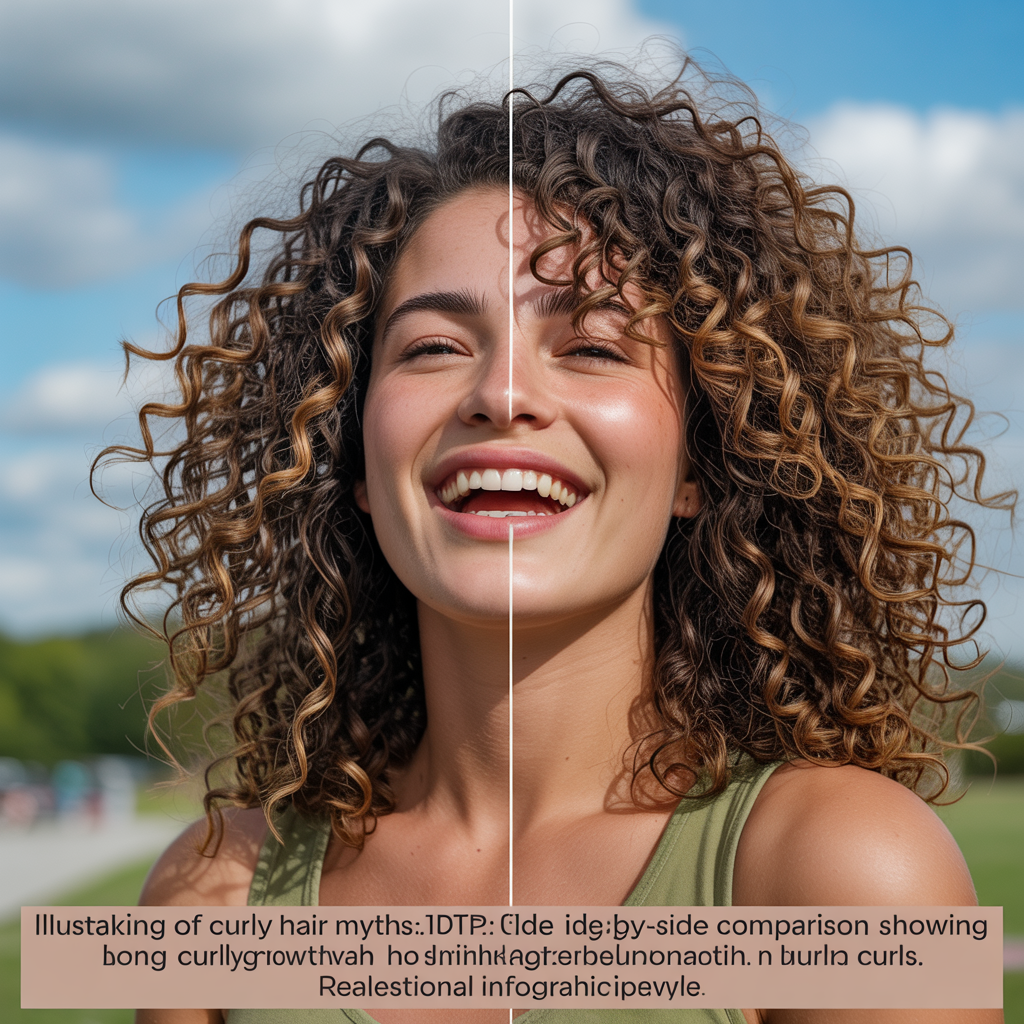
There are many misconceptions about curly hair. One common myth is that curly hair does not grow long—it does, but shrinkage makes it look shorter. Another myth is that brushing curls improves definition, but in reality, it disrupts the curl pattern and causes frizz. Debunking these myths helps people embrace their natural texture.
Heat Styling and Curls
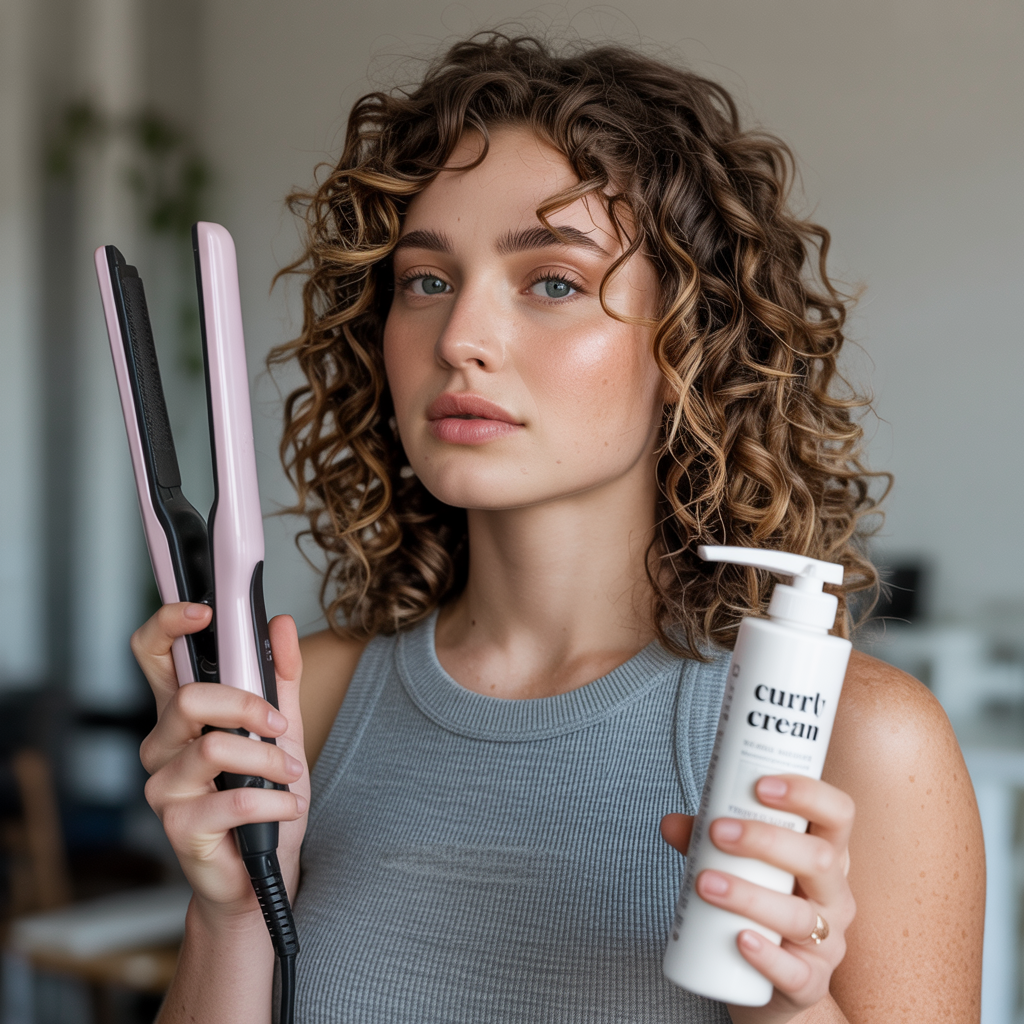
While straightening or curling irons can be tempting, excessive heat can damage curls permanently. If heat styling is necessary, always use a heat protectant and keep the temperature low. Embracing natural curls more often preserves their health and bounce.
Coloring Curly Hair Safely

Dyeing curly hair can lead to dryness if not done correctly. Opt for ammonia-free or professional coloring products and follow up with deep conditioning treatments. Balayage and highlights are especially popular on curly hair because they enhance texture and dimension.
Visit Also Here: Softball Hairstyles
Curly Hair for Men
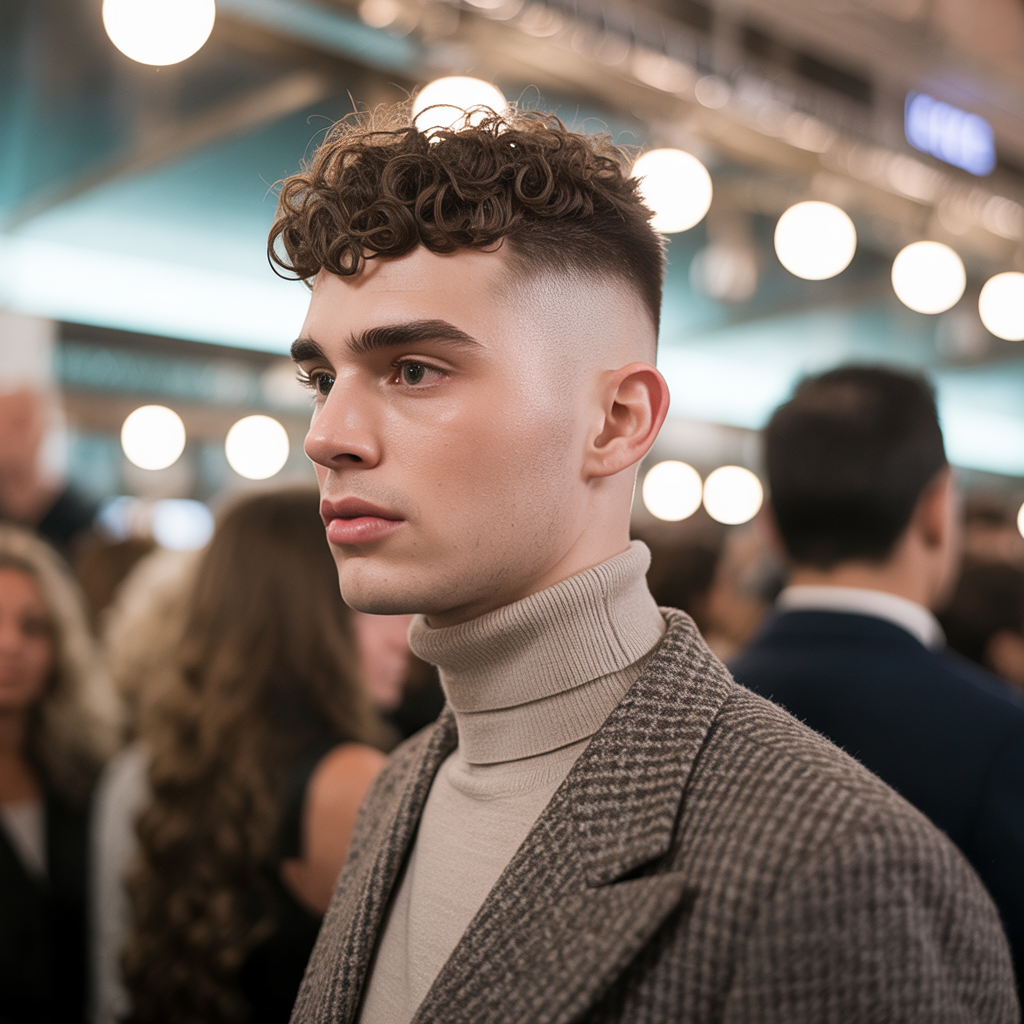
Men with curly hair can embrace a wide range of styles, from short fades with curls on top to longer, free-flowing curls. Proper grooming with curl creams and leave-in conditioners ensures curls stay defined and manageable. Pairing curls with beards has also become a stylish trend.
Kids with Curly Hair

Children with curly hair require gentle care. Use mild shampoos, lightweight conditioners, and wide-tooth combs for detangling. Simple styles like ponytails, braids, or puffs help keep curls neat while reducing tangles and breakage. Encouraging kids to love their curls early builds confidence.
Fitness and Curly Hair Care
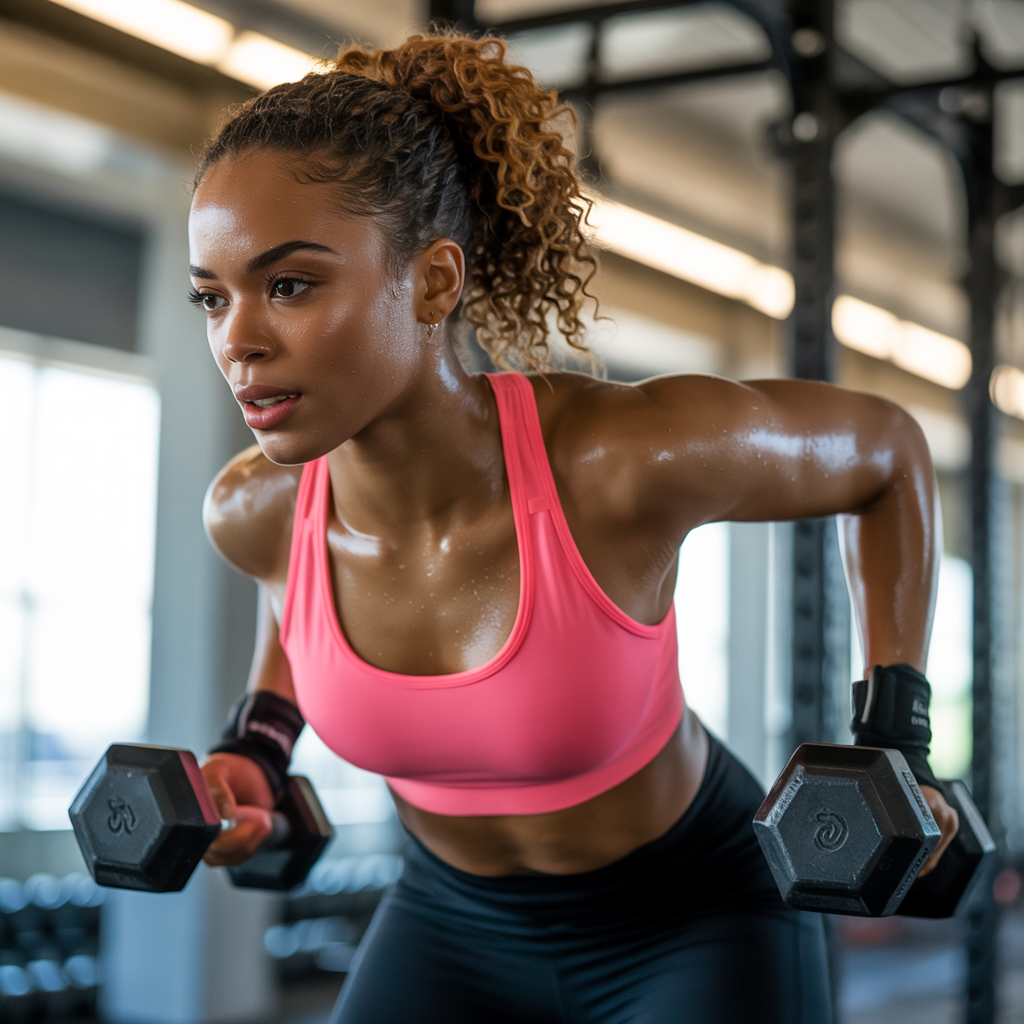
For those who exercise frequently, sweat can cause curls to lose definition. Protective styles like braids or buns work well during workouts. Refreshing curls with a water spray and leave-in conditioner after exercise helps maintain bounce without overwashing.
Cultural Significance of Curly Hair
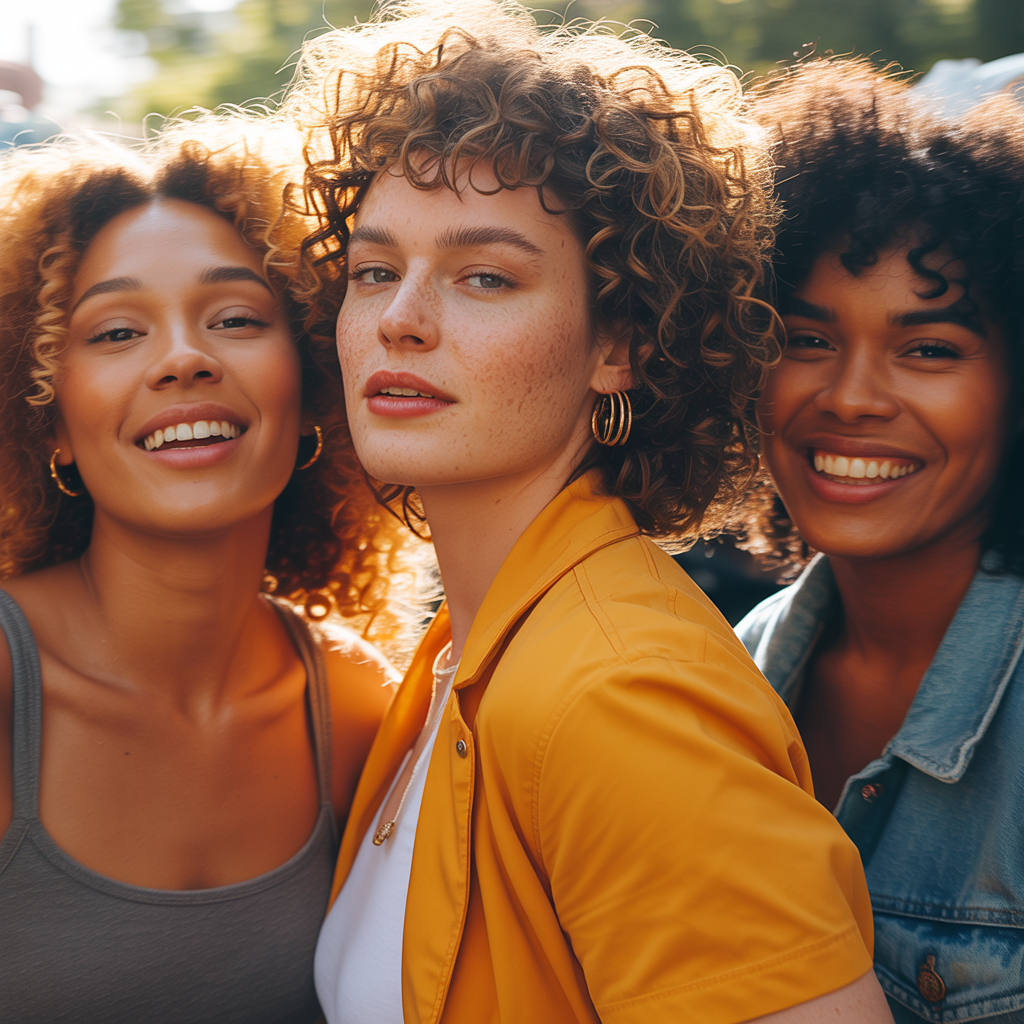
Curly hair has deep cultural importance across many communities. In some cultures, curls symbolize strength, heritage, and identity. Movements encouraging people to embrace their natural hair textures have gained momentum, challenging beauty standards that once favored straight hair.
Celebrity Inspiration for Curly Hair
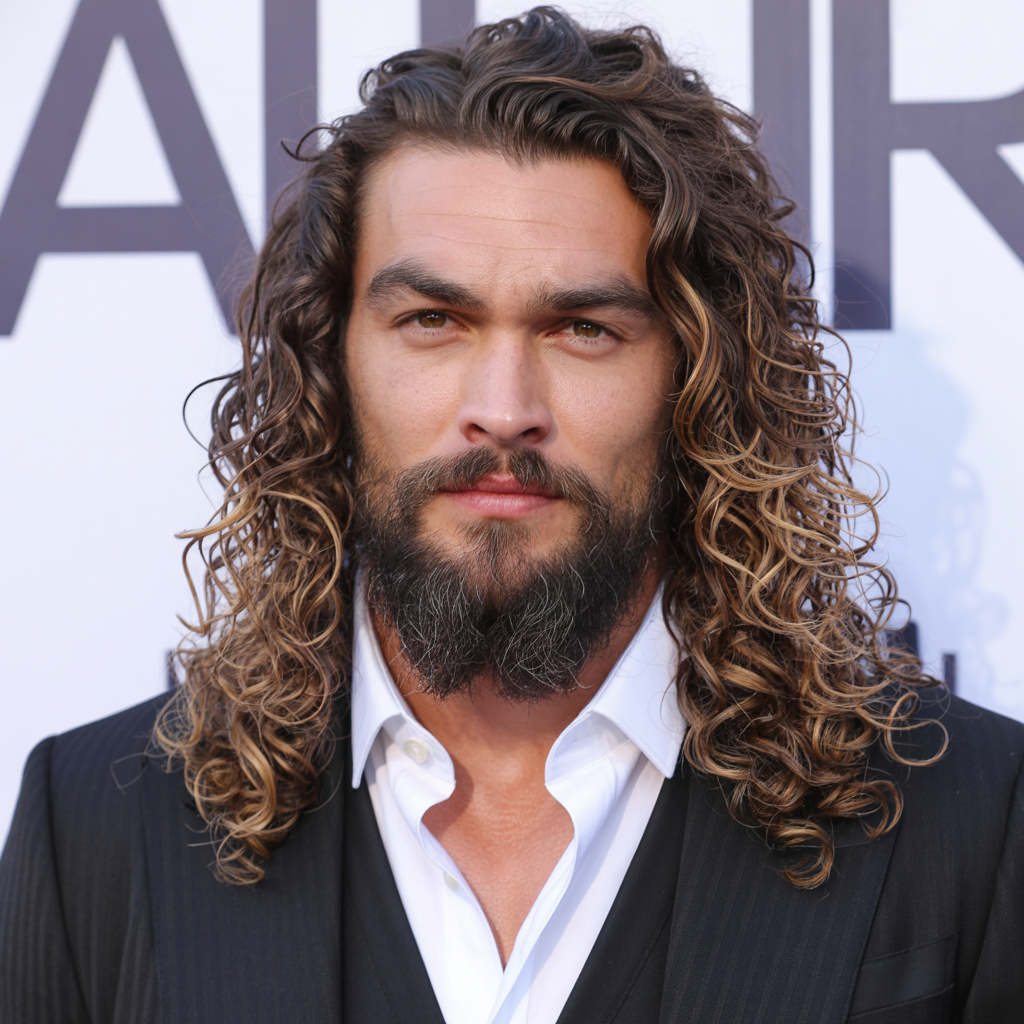
Many celebrities proudly wear their curls, inspiring millions worldwide. From Zendaya’s defined spirals to Jason Momoa’s waves, celebrities have helped normalize natural curls in mainstream fashion. Social media influencers also play a role by sharing curly hair routines and tips.
Embracing Natural Texture
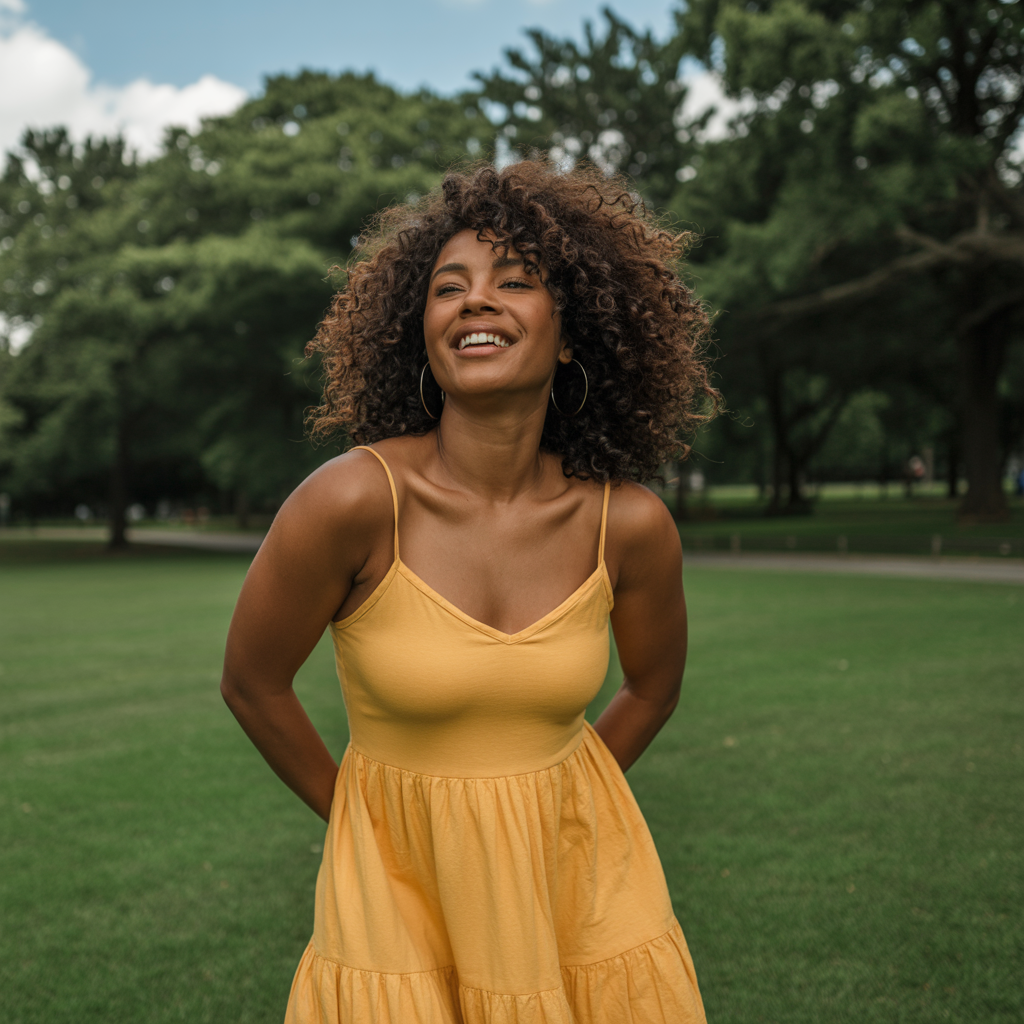
Ultimately, curly hair is about confidence and self-love. Embracing your natural texture means working with your curls rather than against them. With the right care, cuts, and styling techniques, curls can become a powerful expression of individuality and beauty.
FAQs About Curly Hair
How often should curly hair be washed?
Curly hair should typically be washed once or twice a week to prevent dryness. Co-washing (washing with conditioner) can be done in between for freshness.
What is the best way to detangle curly hair?
Always detangle curls when wet, using a wide-tooth comb or your fingers with conditioner. This reduces breakage and preserves curl definition.
Why does curly hair shrink after washing?
Shrinkage happens because curls tighten as they dry. It’s a natural sign of healthy elasticity, though stretching methods like twist-outs can reduce shrinkage.
Can curly hair be brushed?
Brushing dry curly hair disrupts the curl pattern and causes frizz. Instead, comb or finger-detangle only when the hair is wet and conditioned.
What foods are good for curly hair health?
A diet rich in omega-3 fatty acids, proteins, and vitamins A, C, and E supports hair health. Foods like salmon, nuts, eggs, and leafy greens help curls stay strong and shiny.
Conclusion
Curly hair is versatile, bold, and full of character. While it requires more care than straight hair, the results are worth the effort. From finding the right routine and products to embracing natural curl patterns, there are endless ways to showcase the beauty of curls. Whether you wear them loose, styled, or in protective looks, curly hair is not just a hairstyle—it’s a statement of identity and confidence.